CW: Sexual abuse, abuse, suicide
The process of living with PTSD and psychosis isn’t new to me, but talking about it openly is. Being born in the 80s, social culture was very different from what it is today which is why so many of my generation, including those born before and after, are conditioned to keep quiet.
I once thought that admitting my mental illnesses’ was a weakness or at least, that’s what I used to tell myself but I now realise that couldn’t be further from the truth. Whether you keep things bottled up or are open to conversations that may be seen as taboo, is difficult either way. Taking that first step is never easy.
Advert
Advert
Check out the Hellblade: Senua’s Sacrifice trailer below!
It had taken many years to accept it, but I am an abuse survivor. In a previous article, I spoke aboutliving with my autismand the difficulties that brought, not only as an adult today but as a child of the 80s. As with many children, growing up can be tough, especially for a child on the spectrum. Being undiagnosed at the time, I thought nothing of my behaviour. What may have been ordinary to me may have been unordinary to others.
Advert
Advert
Ninja Theory
Later in life, I was lucky to find my now wife, with whom we’ve been together for over 20 years and we have a wonderful son. However, despite trying for several years, I was unable to enjoy what should have been the best period of my life when our son was born. Vague in pieces memories began to resurface of what had happened to me as a young child. I couldn’t quite make sense of it all, but subconsciously, it affected every aspect of my life. Around this time, I started to hear what can only be described as visceral voices and at times seeing shadows that startled me. These voices weren’t mere thoughts that made me feel low in that moment, these were angry, clear voices that wanted to harm and could change my personality like a switch.
Advert
Advert
Ninja Theory
These voices were telling me to end it all, that I had no worth and that those already would get on better in life without me in it. This resulted in a systematic plan of suicide that I kept to myself for a long time. Eventually, I would seek help and not only did this amazing therapist identify my then undiagnosed autism in my early 30s, but it was the first time I ever heard of psychosis. That therapist, and later a clinical psychologist, explained to me what psychosis is and that it can be common for those living with PTSD, though no two experiences are the same.
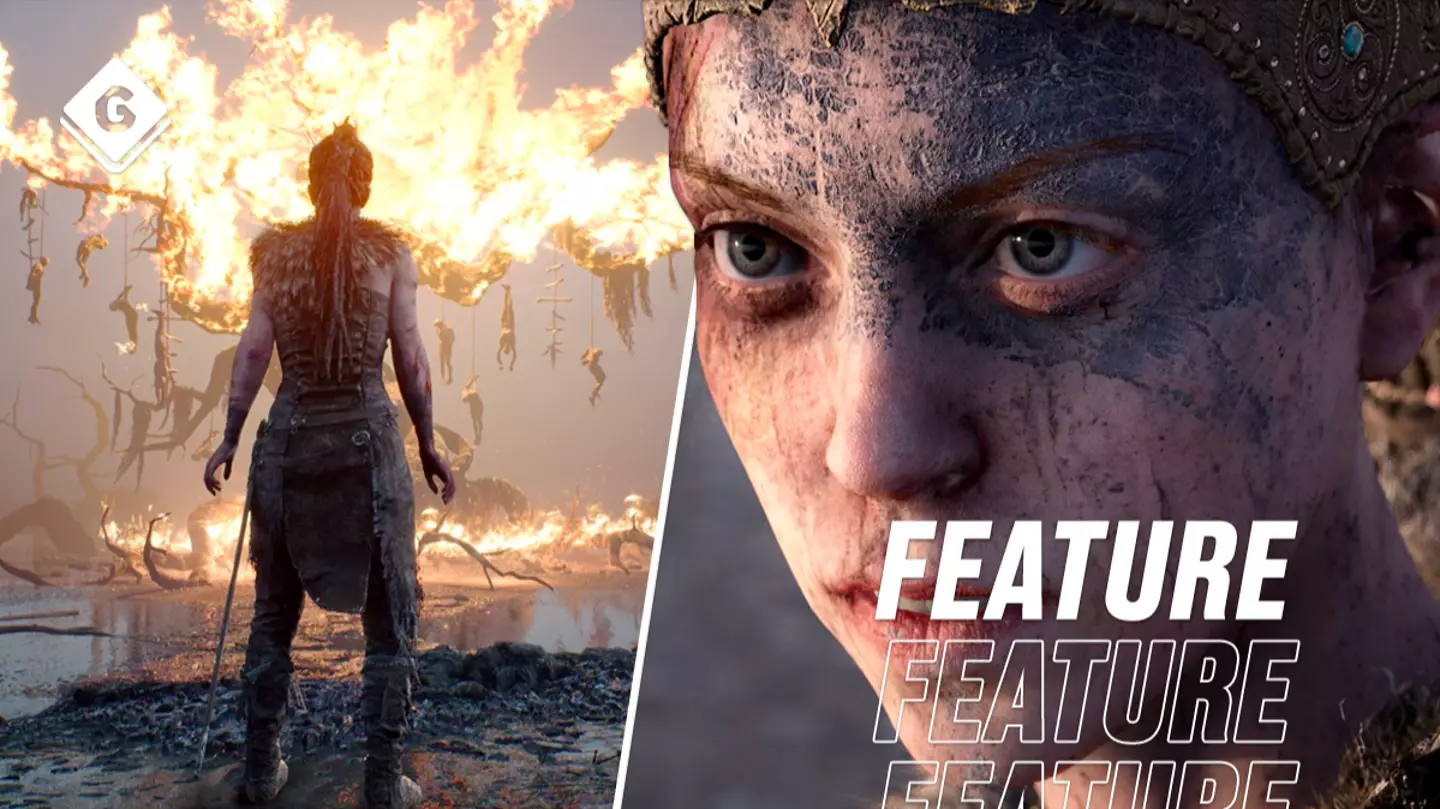
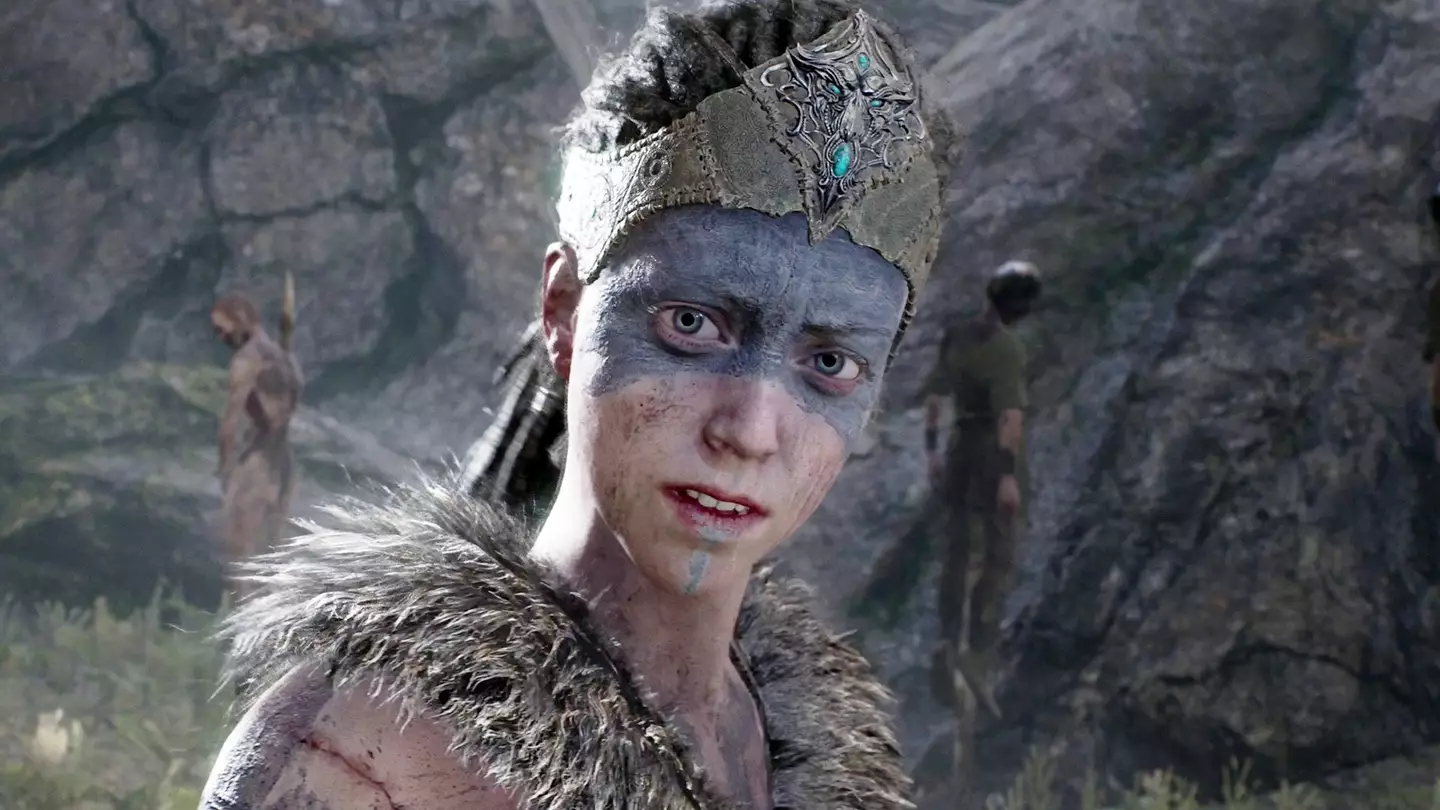
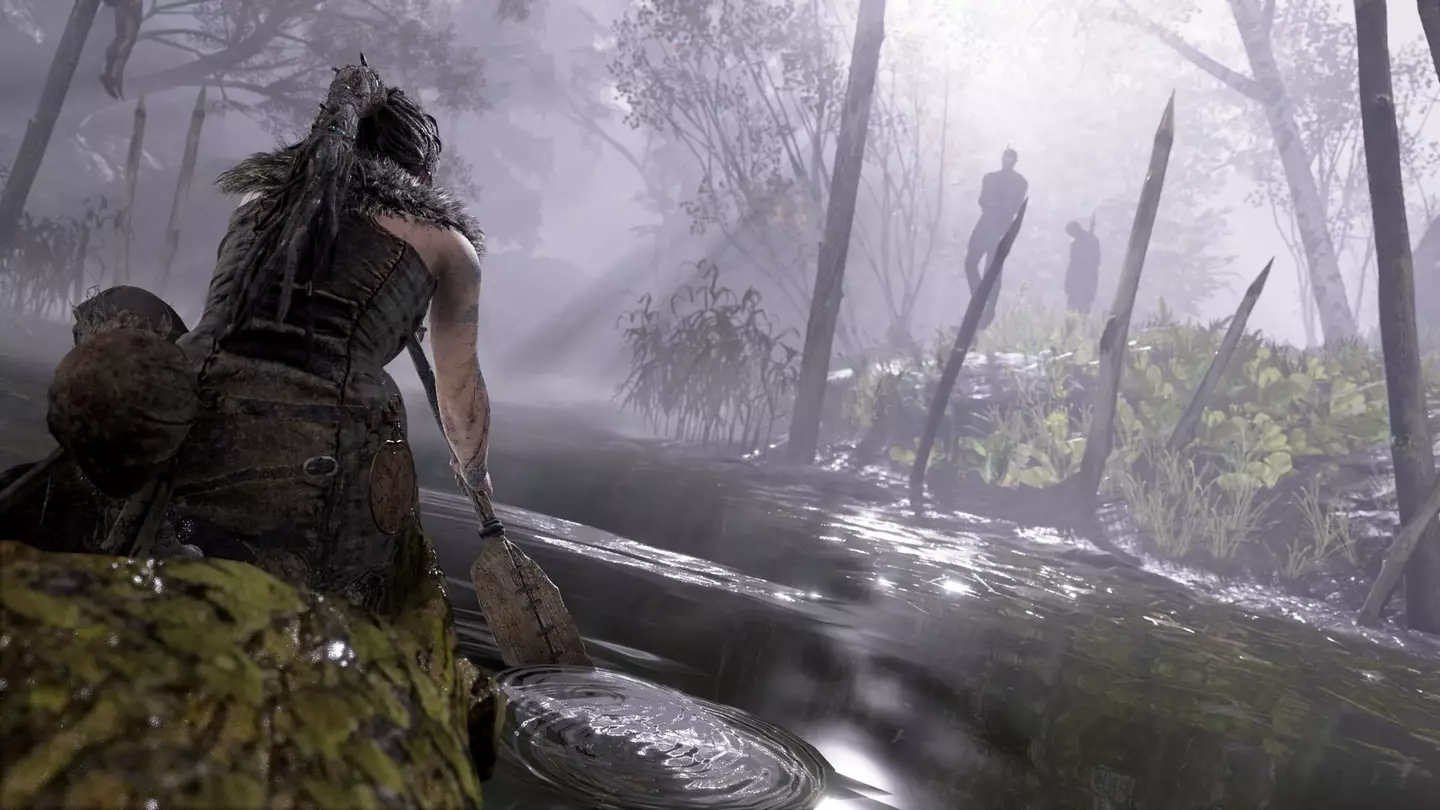
Yet, I refused to acknowledge my psychosis, though I am more comfortable speaking about it today. Not only due to the help from family, a friend, and a therapist/psychologist but also because ofHellblade: Senua’s Sacrifice. Before you begin to playHellblade: Senua’s Sacrifice,it recommends that you wear a headset to immerse yourself in the full experience – it was at this moment that it hit home.
While not exact, the voices that the protagonist ofHellblade, Senua, was constantly hearing weren’t far removed from what I have been experiencing all these years. The game made me instantly uncomfortable and made me want to cry. Yet, unexpectedly, I no longer felt alone with my psychosis. Those who made this game had an understanding of the illness and with that logic, I knew that someone else understood.
Advert
Advert
You can alsoread my interviewwith Ninja Theory on how mental health was handled in the sequel,Senua’s Saga: Hellblade II.
Topics:Features,Mental Health,PC,PlayStation,Xbox,Nintendo Switch,Real Life
