Trigger warning: this article focuses heavily on loss, grief, and mental health
It was last year when I finally got an official diagnosis of Complex PTSD. It had been a long time coming, over a decade. I was dealing with symptoms like flashbacks, anxiety, nightmares, and a form of hyperarousal which is an overactive ‘fight or flight’ response. What I was experiencing was the PTSD becoming ever more intense and all-encompassing as it had never been addressed previously.
Advert
Advert
PTSD, whether ‘Complex’ or not, is still a debilitating illness that can hold people back from living a ‘normal’ life. Those symptoms just carry on, no matter the person’s mood, or how their life is going. I suffered for years, often believing that PTSD couldn’t be happening to me, despite what I’d been through. Over the past couple of years, the diagnosis was being brought up more and more and it finally began to make sense.
Spec Ops
You see, some years ago, I went through the traumatic death of my three-year-old daughter, Amelia. It was 2007 and she was a passenger in a car involved in a road accident. She was rushed from the scene to a local hospital before being transferred to Great Ormond Street Hospital in London due to the significant brain damage she sustained and the care she would require.
Advert
Advert
Amelia was a patient there for five days. I was all on my own, aside from my mum and a couple of friends who would visit. My partner at the time was back home in Essex, in the local hospital being treated for her wounds. She couldn’t help with anything, she could only talk on the phone and even then, she was dosed up on morphine.
I didn’t realise that I was using gaming as a crutch for this illness which would later be diagnosed as CPTSD. It’s only now as I look back at the way I’ve been playing certain games, and with the knowledge gained in recent months, that I made the realisation that gaming was providing a place to heal. Through reading and talking about my illness, I learned more about the patterns of behaviours CPTSD creates, how our brains compartmentalise trauma, and how we break down or avoid certain situations.
Minecraft
Advert
Advert
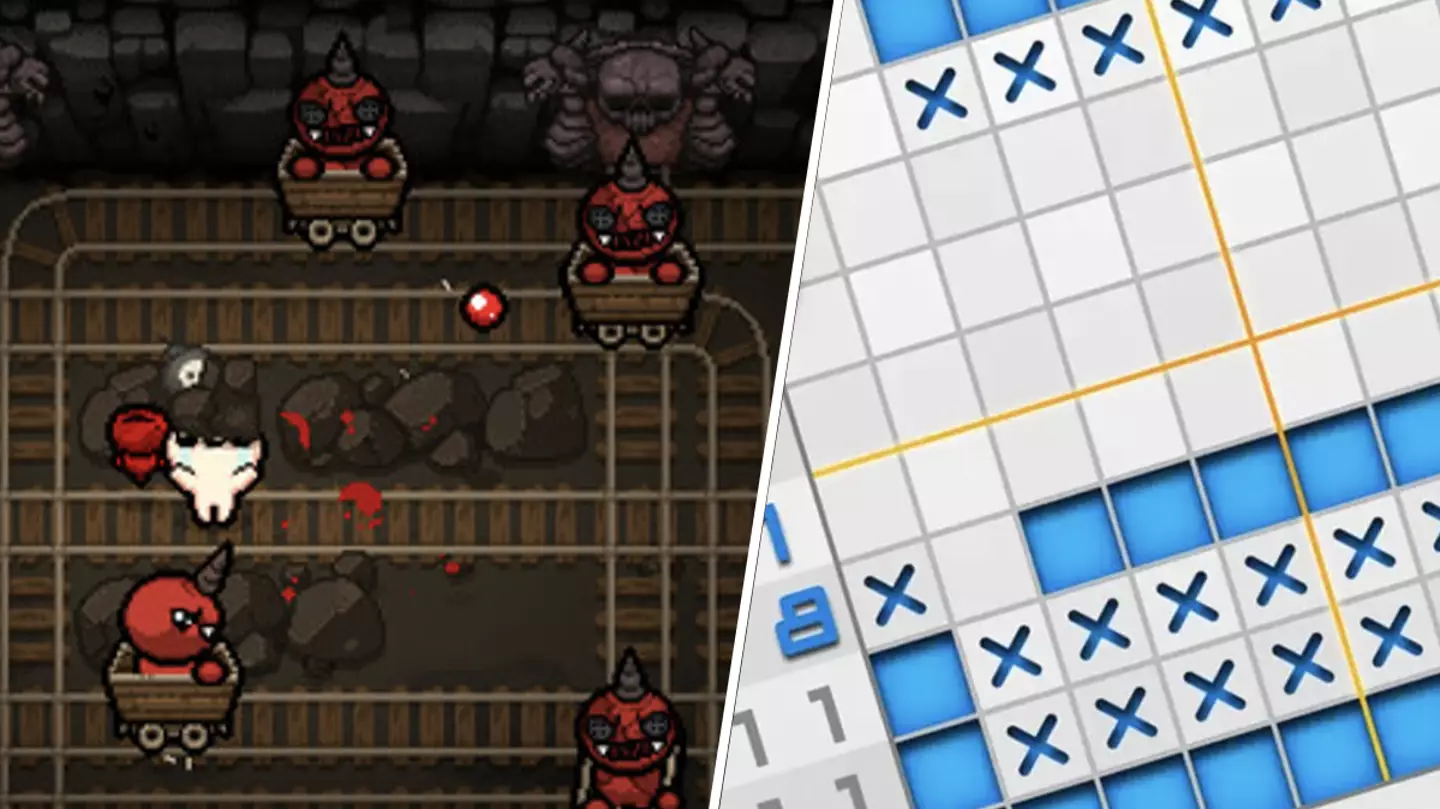
If there’s one thing gaming is very good at, it’s using its flexibility to create specific scenarios for the player. For me, repetition has been an important part of my gaming diet for many years. Usually, that repetition comes from roguelikes, which combine the idea of repeating the same tasks and treading similar paths, bringing a sense of familiarity. My favourite game of all time isThe Binding Of Isaac; I’ve spent thousands of hours playing and replaying that game because it features a repetitive, and calming, gameplay loop.
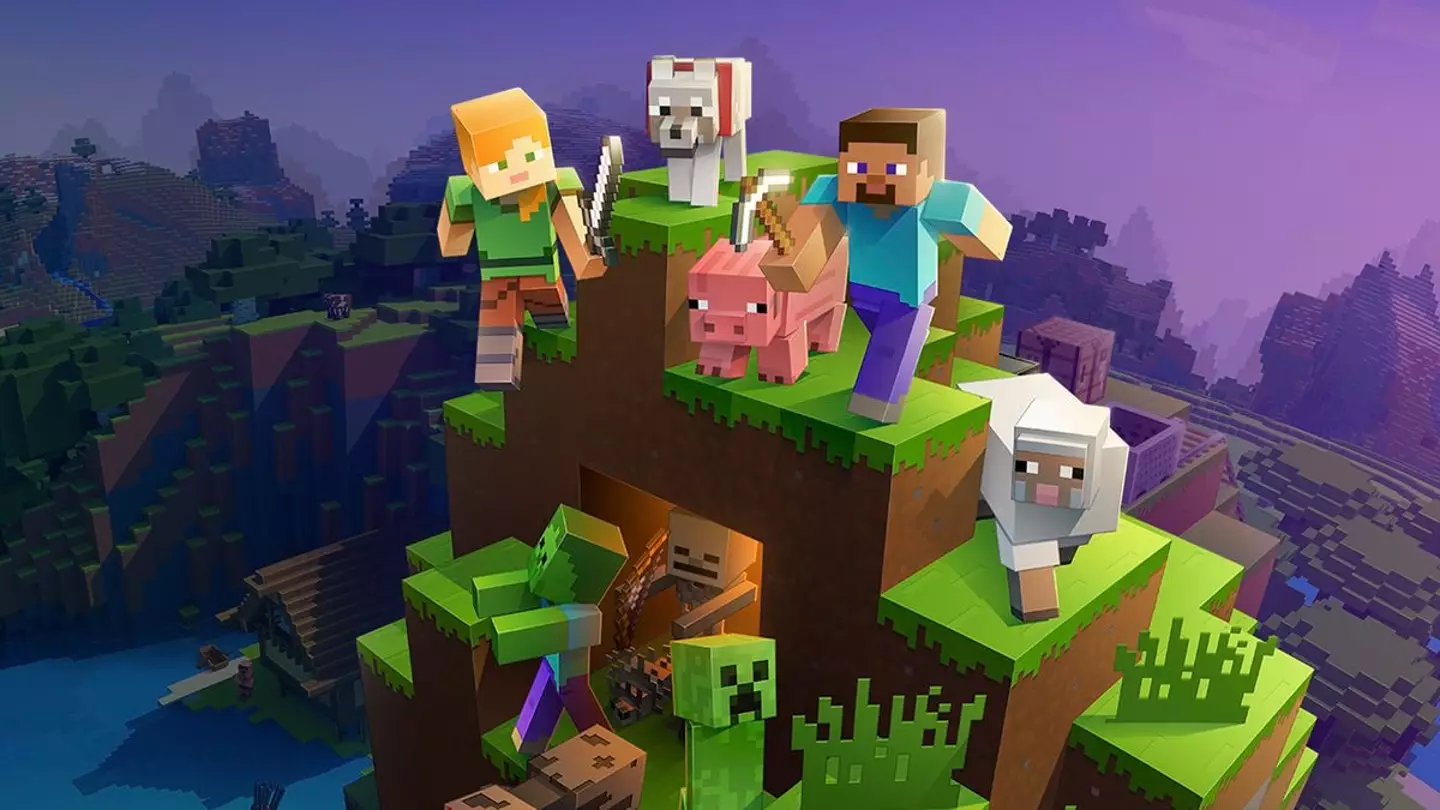
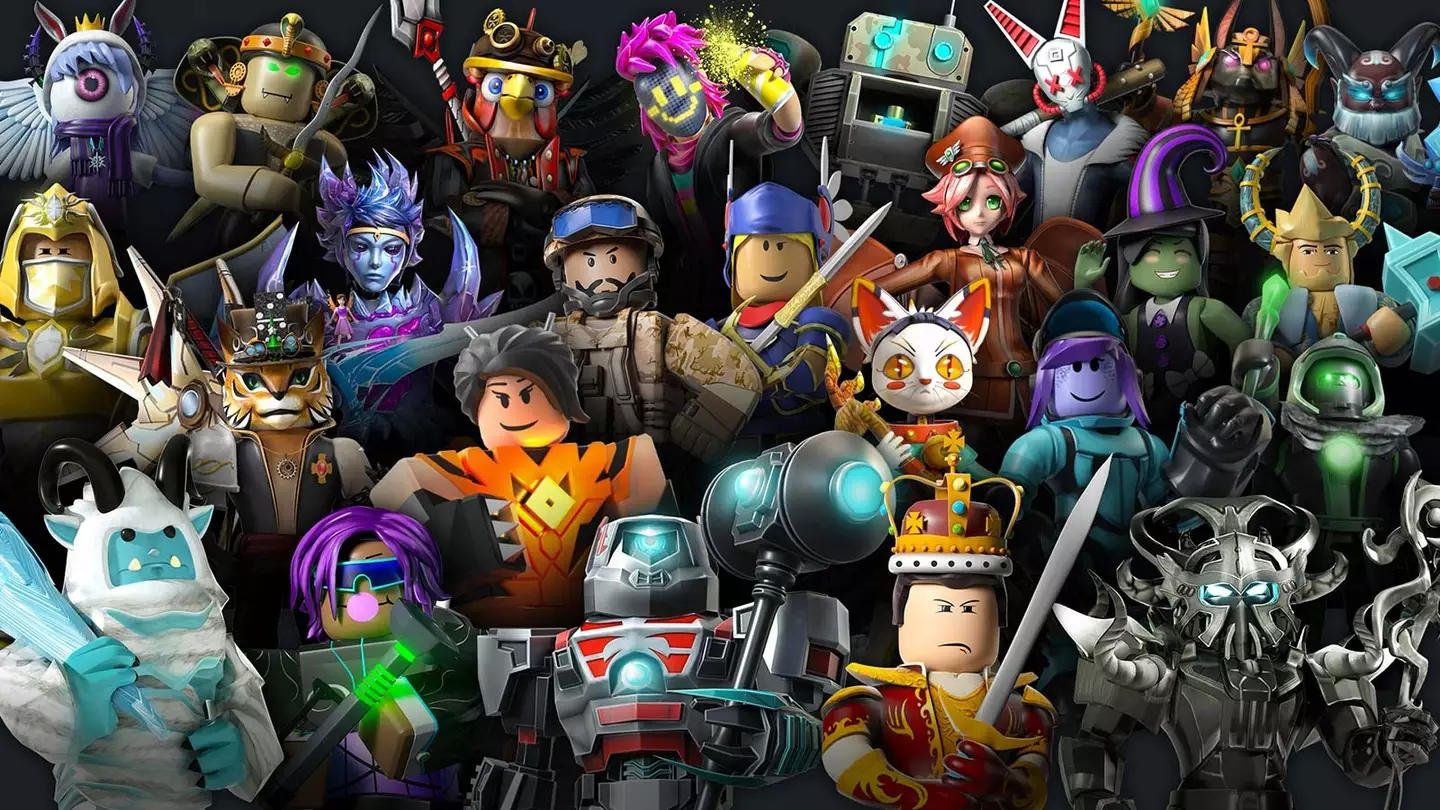
Sometimes the repetition can come from games likeMinecraft, where my initial hours are nearly always the same and have become a routine. There’s a comfort in punching those trees, searching for sheep’s wool for beds, and excavating a mine. Repetition even comes from a platform likeRoblox, which I occasionally play with my two daughters, playing silly games together. The repetition is safe and predictable; it gives me a modicum of control, something I sorely need.
Roblox
Advert
Advert
For me, CPTSD is a loss of control. It’s going about my day and being suddenly, mentally, dragged back to that moment of seeing my child taken, lifeless, from an ambulance. It’s hearing something that sounds like a ventilator and me breaking down in tears; it’s not sleeping for several nights in a row because tragic nightmares wait in the darkness; it’s hearing muffled voices in an adjacent room and seeing myself holding her body.
So, today, which is the 17th anniversary of her death, I chose to write about how games are helping me. I want to talk about how games are beneficial in helping me deal with my CPTSD symptoms, and how I wrestle with the concept of ‘control’.
Treatment for CPTSD comes from varying sources including medication andCognitive Behavioral Therapy. While I await a full course of CBT, I find myself reading more about the illness, how it manifests, and what helps. Along the way, I read about a study being conducted that usesTetrisas a cognitive ‘vaccine’ for those who suffer traumatic flashbacks, or events. The study suggests that playing the game within 72 hours of an event may reduce further events for up to five weeks.
Advert
Advert
tetris
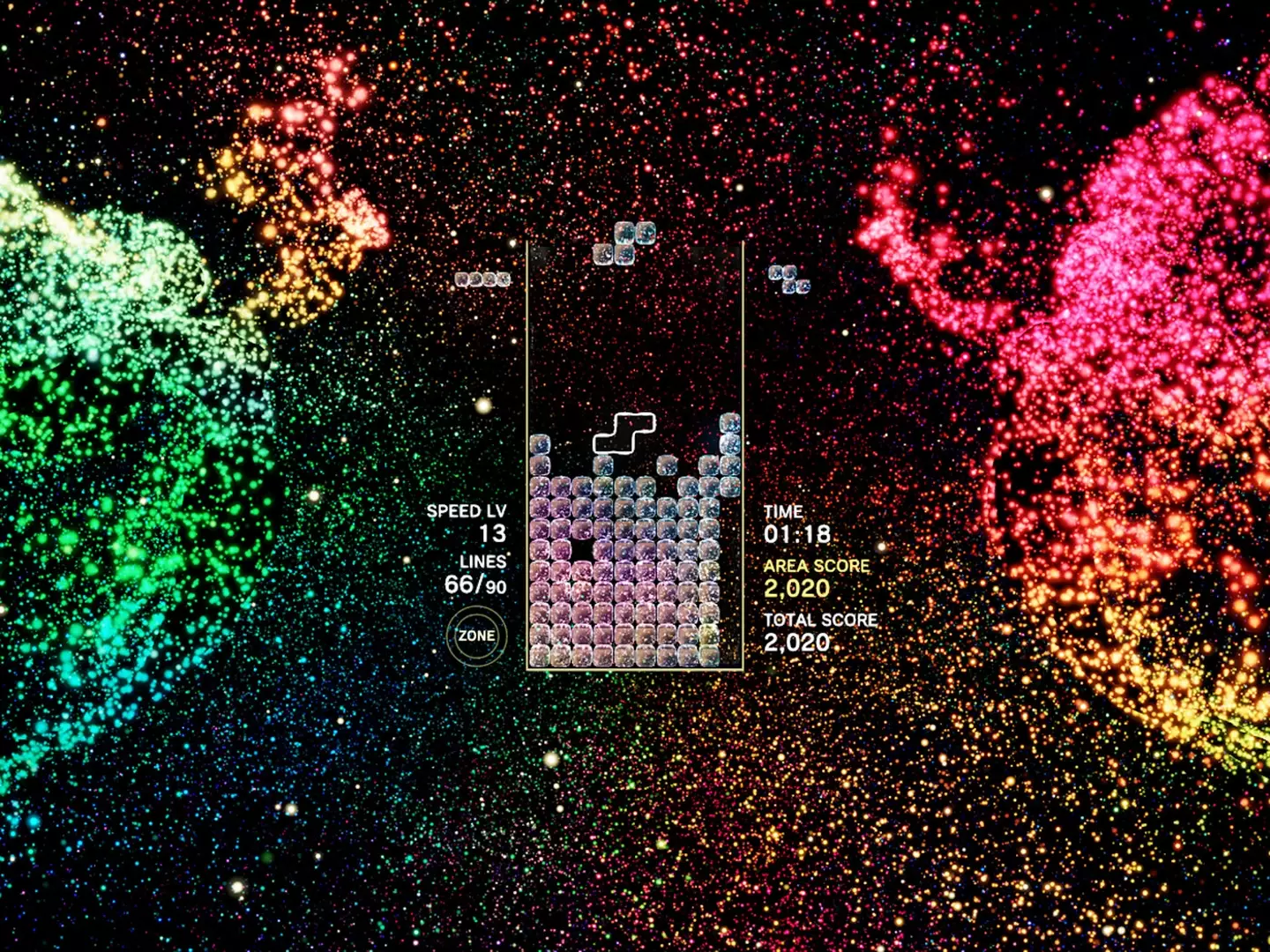
The abstract of the study is as follows, “Trauma flashbacks are sensory-perceptual, visuospatial mental images. Visuospatial cognitive tasks selectively compete for resources required to generate mental images. Thus, a visuospatial computer game (e.g. “Tetris”) will interfere with flashbacks.” Upon reading this, I looked back over the past few years and noticed a bit of a pattern. Whenever I was at my most ill, I always went back to one game -Picross.
I was creating my own version of theTetrisconcept. I would experience an intrusive flashback event and, when I’d recovered enough, I would grab my Nintendo DS or Switch and open up one of the many versions ofPicrossand it helped, perhaps because my brain couldn’t display the trauma imagery and solve puzzles at once. Not only that, but the game was creating a space based on control. The solution was always within reach, always under my control.
Before I discoveredPicross,The Binding of Isaacwas my escape. On the surface, this indie darling is an action-roguelike based onThe Legend of Zeldaand old arcade classics likeRobotron. Once you’ve fallen in love with the game and spent hundreds of hours exploring the game’s worlds, unlocking items and weapons, it becomes a puzzle game. How can I beat this boss using this selection of items? How can I access this secret level with a specific character? How do I unlock this new item?
Isaac
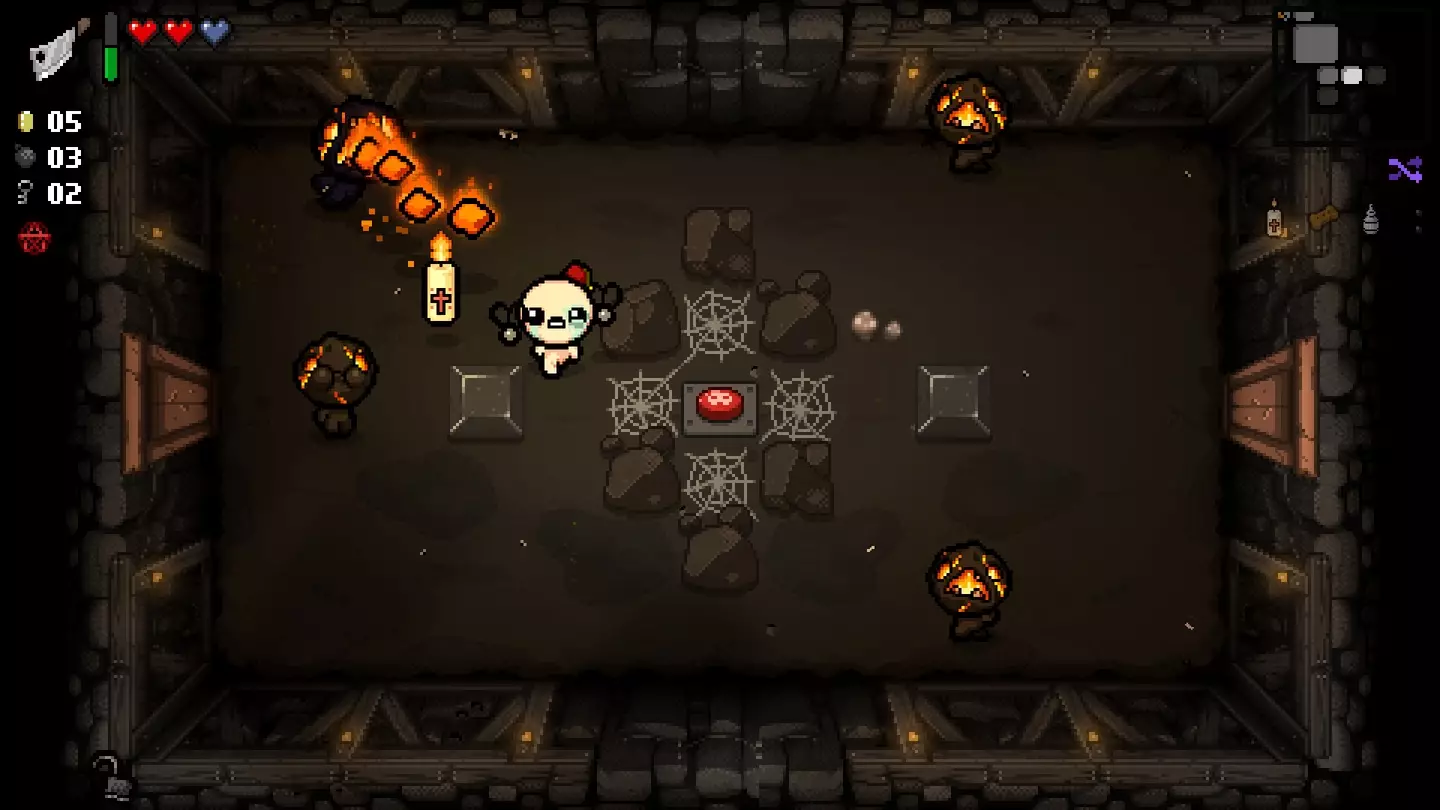
It was treating the same visuospatial area of my brain. I was escaping the intrusive imagery and thoughts some of the time, allowing myself time to recover, while also creating a space where control is possible. Of course, now I’m awaiting the right course of therapy, it’s going to be a long road. But, it’s nice to know that games will give me the space I need, they alleviate moments of panic and fear, and they calm my brain. Games were helping; theyarehelping.
Topics:PC,PlayStation,Xbox,Nintendo Switch,Nintendo,PlayStation 5,Xbox Series X
