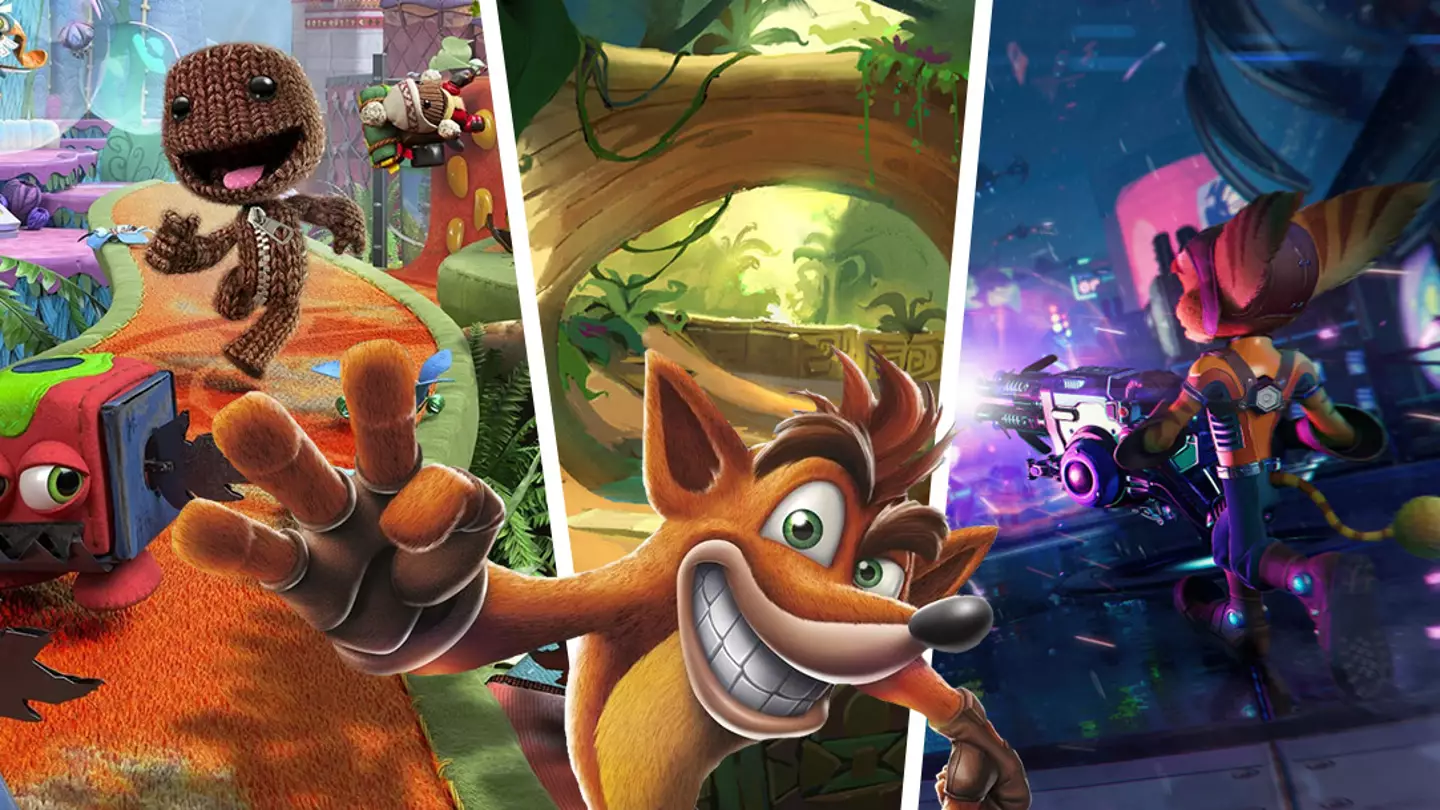
I have always adored platformers. I suspect it’s because when I snuck onto my brother’s original PlayStation back in the early 00s, those were the games at my disposal. I’d cycle betweenCrash Bandicoot, Spyro The Dragon, andCroc: Legend of the Gobboson repeat. As I grew older, my horizons inevitably widened. The Nintendo DS Lite introduced me toNew Super Mario Broswhile the PlayStation 4 led to my first encounter withRatchet & Clank.
Princess Peach Showtimeis set to launch on 22 March.
It’s hard to comprehend that in today’s market, female platforming characters are lagging so far behind their male counterparts. The genre is certainly not absent of female representation but it could easily be doing a whole lot more. Princess Peach is the perfect example to kick things off. The character debuted all the way back in 1984. Here we are in the year 2024, 40 years after the character’s original appearance and 20 mainline Mario games later, about to experience only our third Peach-centric entry in the form ofPrincess Peach Showtime.
Advert
Advert
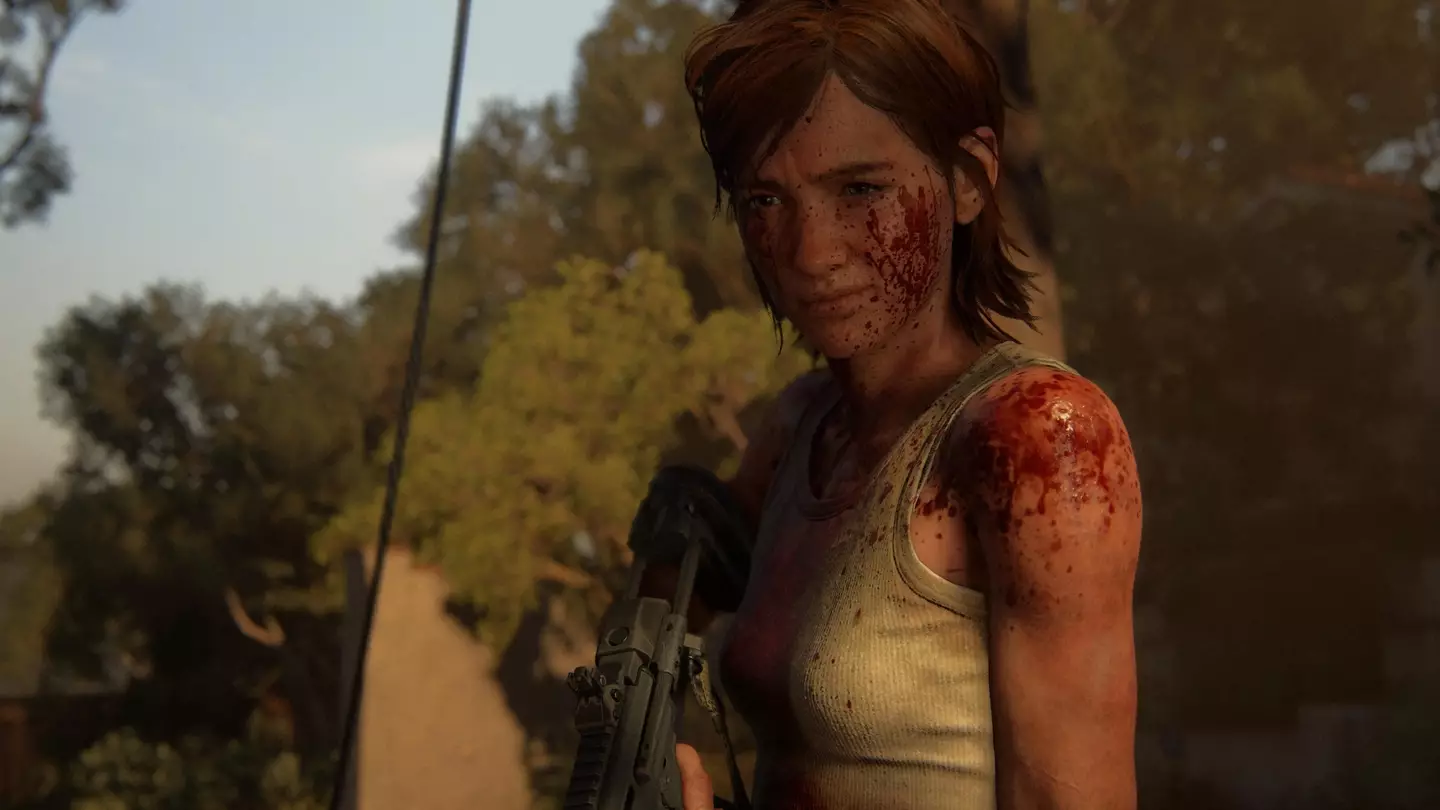
Representation is important and, of course, doesn’t just apply to gender - nor just binary gender. As we celebrate International Women’s Day though, I can’t help but dwell on why change is so slow in a genre I love so dearly. I recently sat down to watchGrounded II: The Making of The Last of Us Part IIwhich made a really important point about female representation. Following early teaser trailers,Part IIwas branded as misogynistic and outdated for its depiction of violence against women, with one site declaring ‘no woman could possibly have been involved in creating it’.
An angered Halley Gross, co-writer on the game, responded to the whole debacle pointing out that a woman (herself) wrote the scene in question that was being declared as misogynistic - a scene that featured several female actresses. As Halley stated, within both life and the world of The Last of Us, violence is a part of the female experience just as much as it is of the male experience. The simplification that we cannot explore such an act against a woman in a game is itself a step back in representation, not towards.
Sony Interactive Entertainment
Advert
Advert
Ubisoft
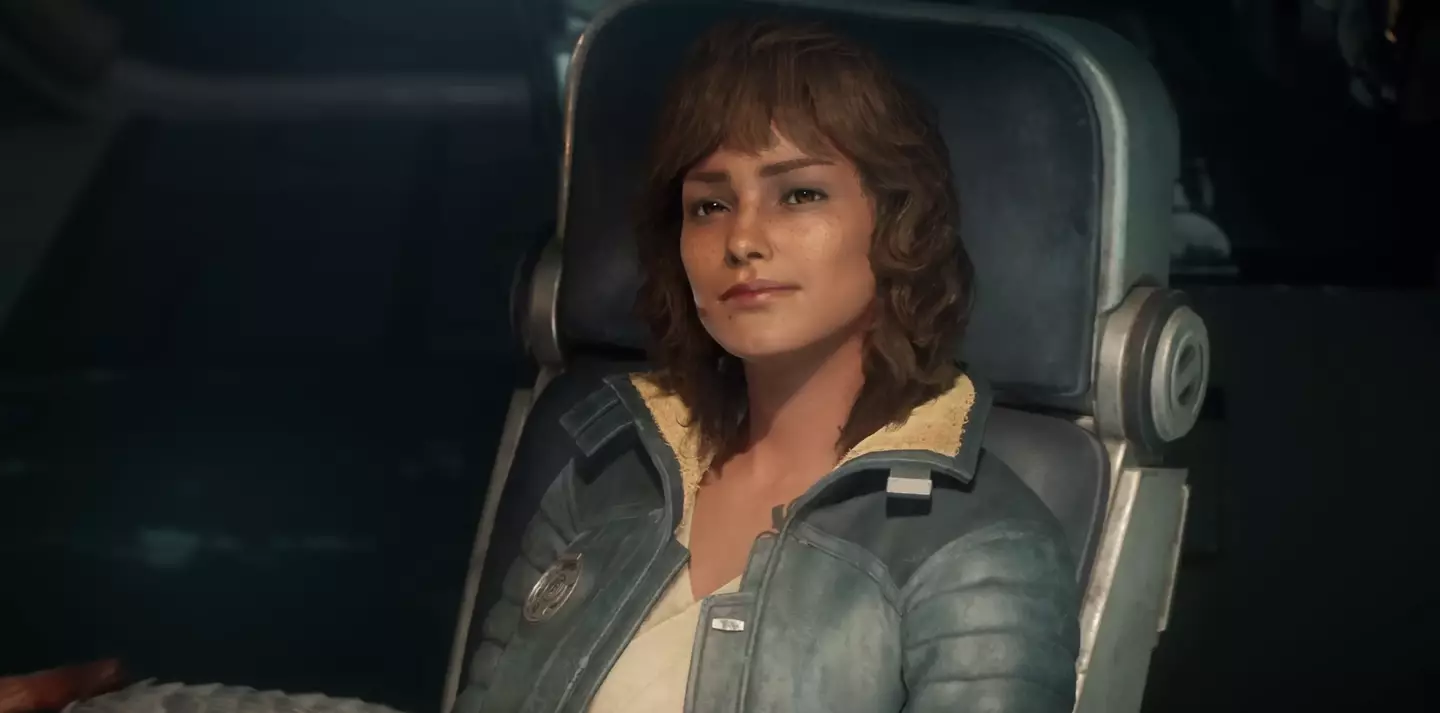
The idea that a female protagonist is designed to only offer appeal to a female audience is baffling. It goes without saying that it may provide female players with a stronger sense of identity with the lead but as I just pointed out, I grew up playing games predominantly with male leads, both in the platforming genre and beyond. I didn’t need to relate to their experience to enjoy the game. It’s clear though that in the last decade, with leading figures like Ellie and Aloy emerging, that we’re finally tapping into a wider array of experiences and perspectives - a move that’s only for the better.
We’ve seen tremors of this in the platforming genre. It would be wrong for me not to mention the excellentCeleste. Released in 2018, the game sees you assume the role of Madeline, a young woman suffering from anxiety and depression. It’s up to you to guide Madeline up Celeste Mountain, overcoming a personification of her own self-doubt in the form of Badeline. It’s one of the few female-led platformers I can name and what does it offer? Something new.
Advert
Advert
Extremely OK Games
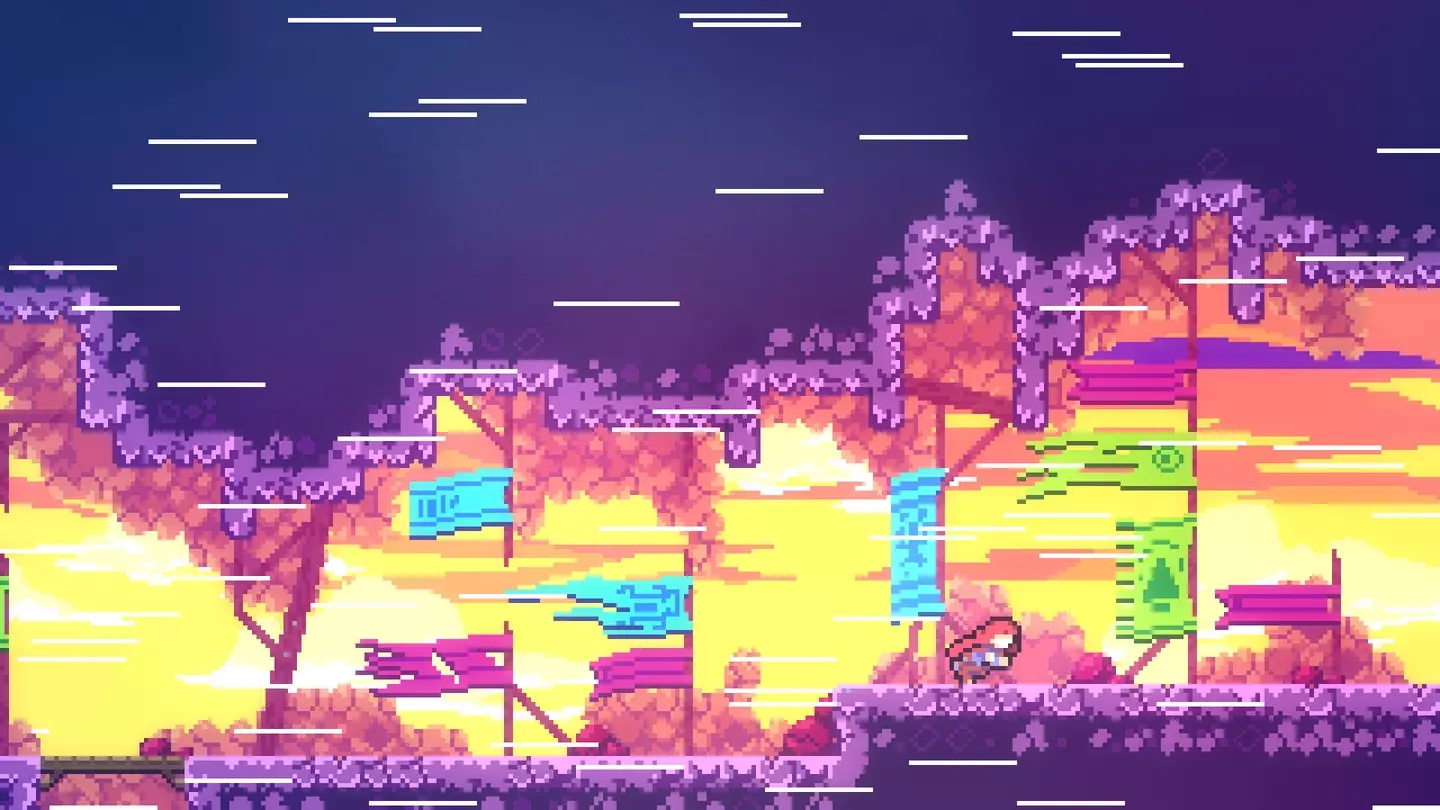
The joy of platforming mixed with a thoughtful exploration of mental health is unlike anything else seen in the genre up until this point. While, yes, Madeline didn’t necessarily have to be female for this tale to be told, the genre is all the richer for tapping into this previously unexplored experience, both in terms of gender and its handling of mental health.Celeste’s rave reviews translated to solid sales, offering a burgeoning sense of hope for platforming’s future. Audiences don’t simply want to see new iterations of what came before.
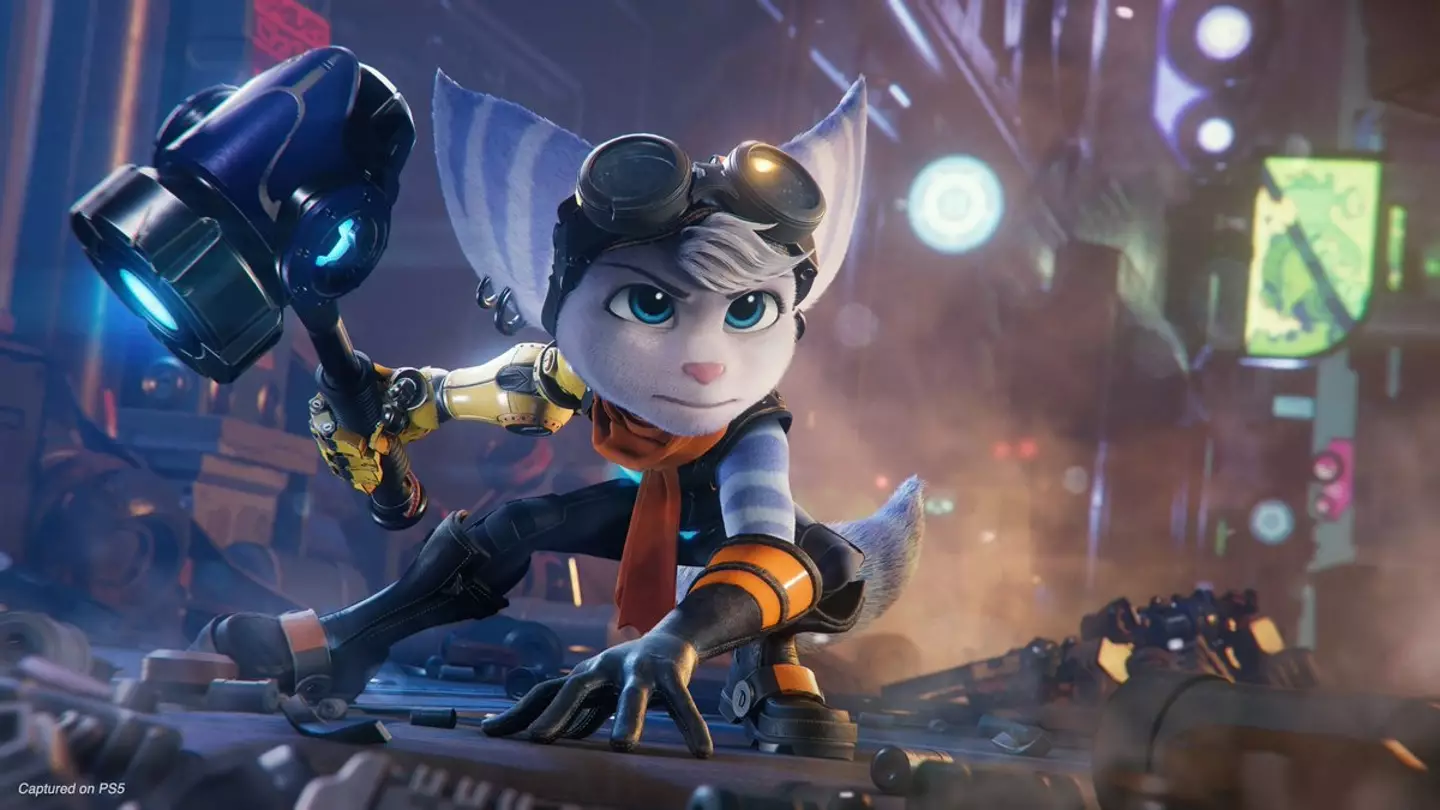
Much the same can be said forPrincess Peach Showtime. While it just so happens that Peach’s first solo entry in almost 20 years is set to fall into the action-adventure category, it’s still clear that this is a character that’s challenged Nintendo to tap into something new in terms of the gameplay. It would also be an injustice to omit a character like Rivet.Ratchet and Clank: Rift Apartmay just be one of my favourite platformers out there. Rivet perfectly walks the line of being both bold and vulnerable. Her PTSD grounds what is largely a bombastic tale, forcing the often exuberant Ratchet to exhibit subtler emotions. She enriches both the overall story and the characterisation of its long-time lead in a way that we might not have seen if we’d stuck simply to Ratchet and Clank as a duo.
Sony Interactive Entertainment
Advert
Advert
Female characters in platforming have come a long way from the buxom likes ofCrash Bandicoot’s original Coco but there’s still some way to go. It’s not about ticking a box or appealing to a certain audience. If we expand the breadth of the kind of experiences we tap into through protagonists, we increase the number of possible stories we can tell. Just as platforming has remained relevant throughout my life so far, I hope to see it continue to maintain its relevance into the future, but the only way to do that is to welcome growth. With Rivet and Madeline, we’re seeing that change is afoot. It’s time for platforming to take note and leap into its next evolution.
Topics:PlayStation,Xbox,PC,Nintendo,Opinion,Super Mario,Crash Bandicoot
