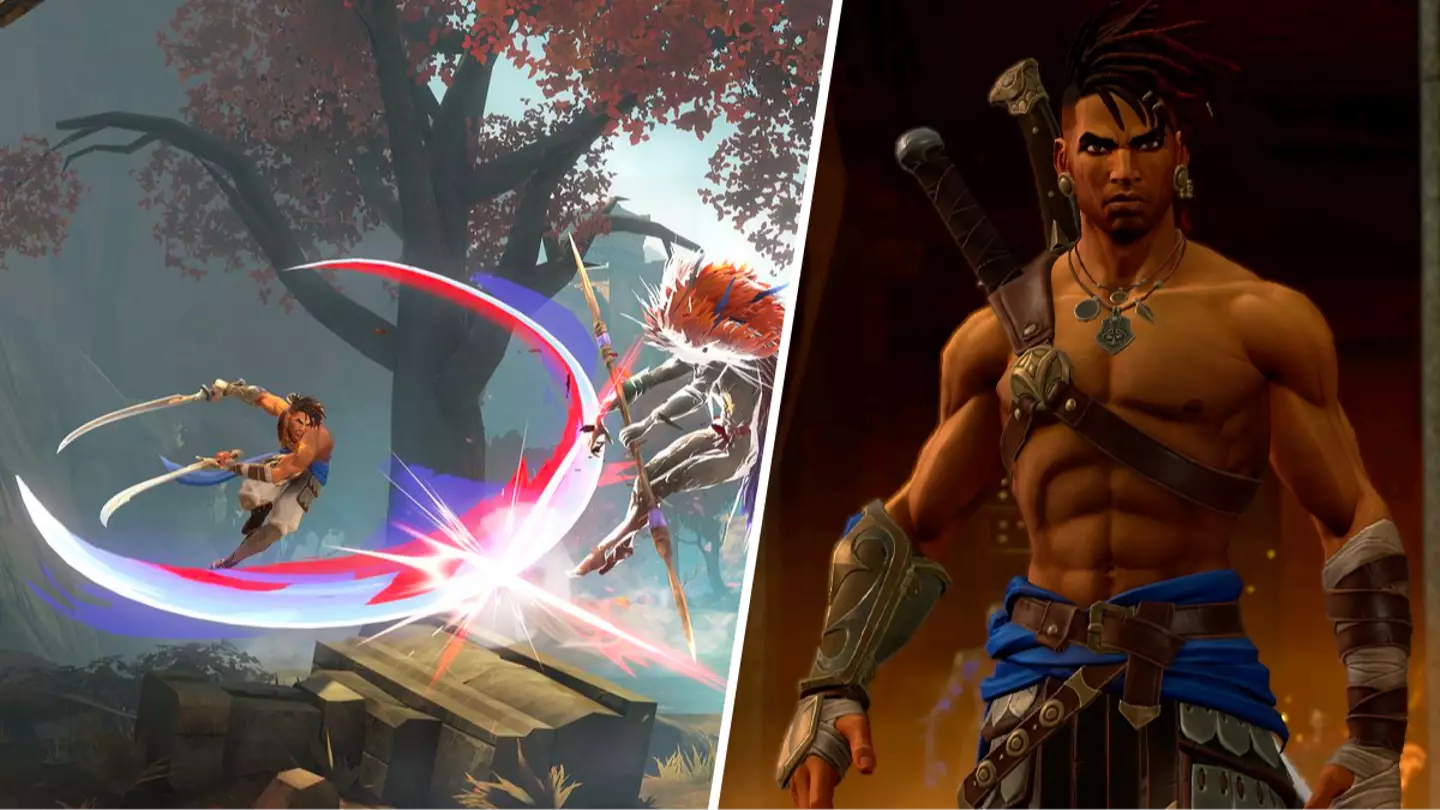
My time withPrince of Persia: The Lost Crownfelt like it was over too soon. We had three hours to play through the game from its dramatic opening of betrayal and intrigue to a point where mystical powers and abilities began to open up the MetroidVania 2D world. But I wanted more, which is surely a good sign, right? Three hours was just enough time to teach me the ropes while still dangling possibilities.
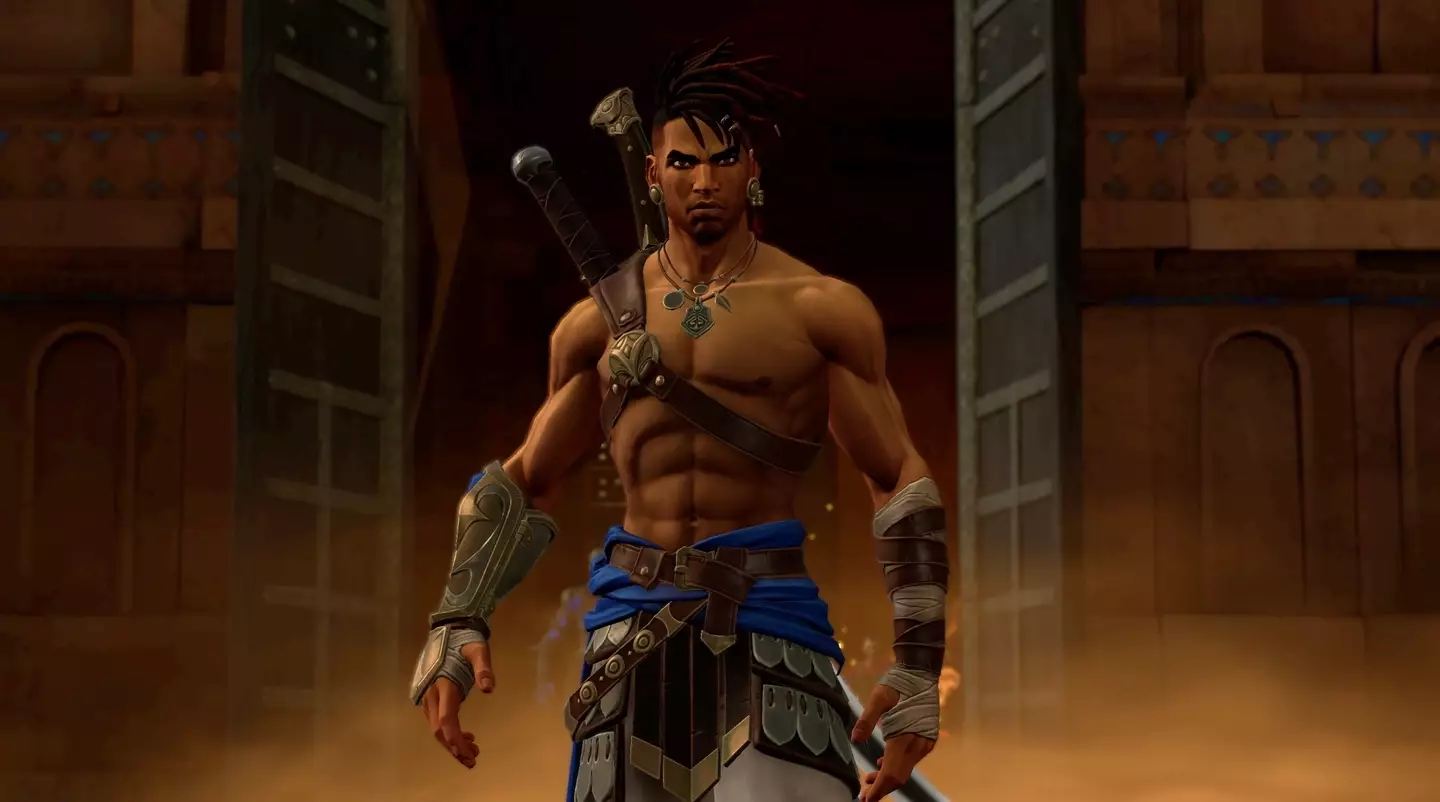
Taking control of Sargon, players will be making their way through Mount Qaf on the hunt for rebels who have kidnapped Prince Ghassan. Sargon, a member of a group of heroes called The Immortals, must use his parkour skills and deadly efficiency with a blade to save the Prince. However, things on Mount Qaf aren’t what they seem and pockets of the environment seem to be having an impact on the passage of time.
Prince of Persia is going back to its 2D roots withThe Lost Crown.
While you could comparethis new instalmentin the Prince of Persia series to many games, including the original 1989 release, it probably has a closer cousin in games likeHollow KnightandSalt and Sacrifice. This isn’t just because of the game’s new MetroidVania exploration, but also because of its combat.
Advert
Advert
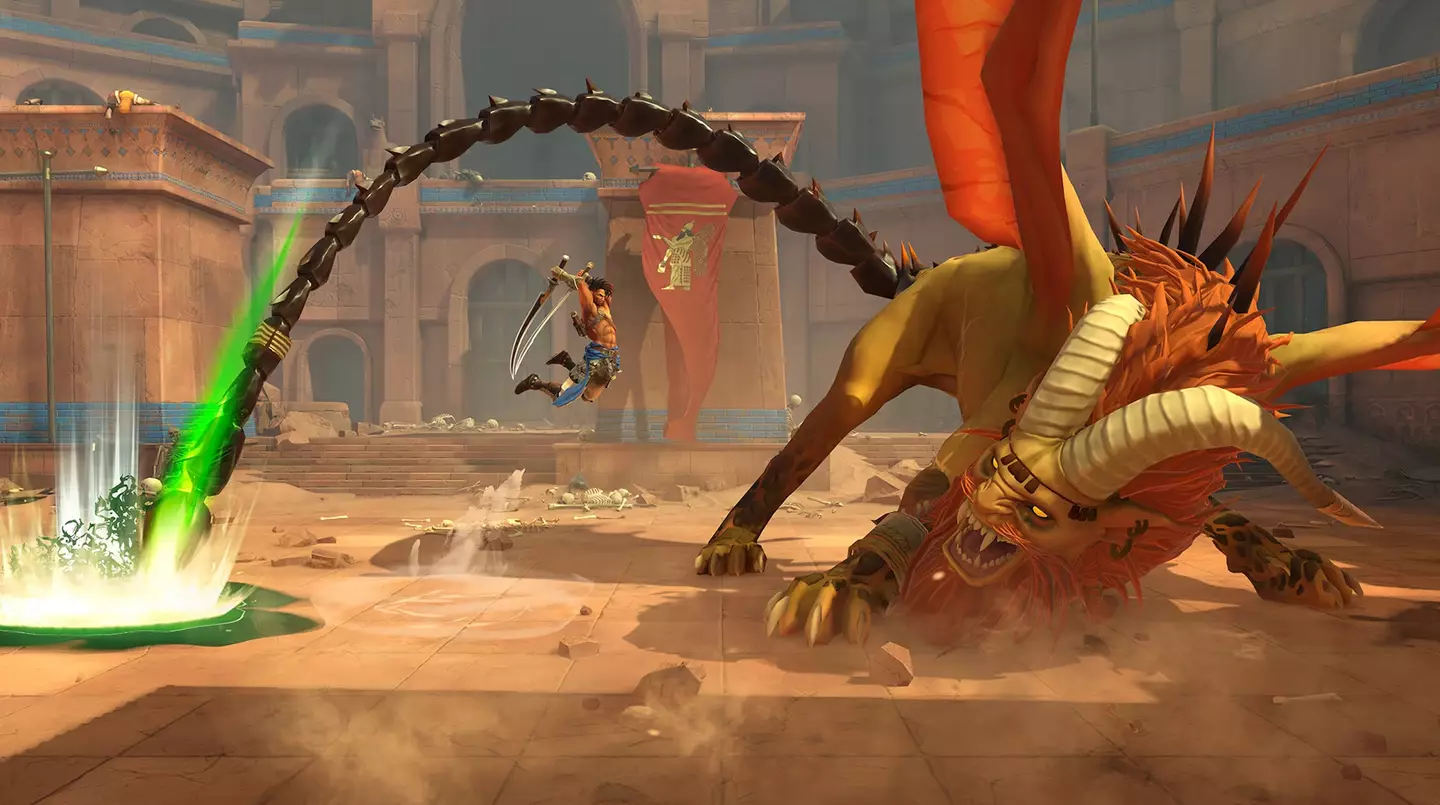
The difficulty stands out in the biggest boss fight of the opening hours, a huge winged and horned lion-like creature with a scorpion tail called Jahandar. In this boss fight I was frantically dodging, sliding, parrying, and wielding my twin blades in the hopes of besting the beast. It didn’t go well for me. After 10 or 11 attempts I finally overcame the challenge and got to move on, but, I will admit I didn’t get good fast enough and opened the parry window for my old fingers to finally achieve success.
The fight shows a lot of mechanics and features of the game. Each parry is rewarded with a lavish take-down; the fight was split into stages where Jahandar would evolve its attacks; and dying has you backtrack through the maze of platforms and sections every time ending up back at a checkpoint. These checkpoints, glorious trees made of light, will also refill your health potions, so you could say there are some very light SoulsBorne mechanics, too. More on these trees later.
Ubisoft
Advert
Advert
This backtracking isn’t as painful as it sounds, however, as the map is not only pretty comprehensive, showing you, via icons, where you need to go, but there’s a genius inclusion that will help out many. If you come across a chest or door you can’t reach, a simple button press will take a screenshot of it and place it on your map. No more trying to remember where you saw it!
It’s also a big plus that traversing feels brilliant. The parkour movement, which includes sliding, wall-jumping, and later, air-dashing, makes each section of the map a joy. When combined with Prince of Persia mainstays like poles on which to swing, spike traps to dodge, and swinging pendulums to slide under, the world of Mount Qaf becomes a playground. The ground slide in particular becomes a ‘go to’ movement because it not only dodges you under obstacles but you can use it to pop up behind enemies and attack.
Advert
Advert
Ubisoft
A slight detractor from the session was the voice acting. Some of it felt very stilted and oftentimes a little bland, too. However, the development team went to lengths to tell us that Farsi was included for more authenticity, and switching to that honestly changed up the cutscenes dramatically.
In other areas the game shone bright; the visuals are a treat, with bright colours, sparkling auras, comic book-style graphics, and larger-than-life enemy design that taps into wondrous parts of mythology. At points, the visual design is startlingly good, particularly when entering into new areas.
Now, before I wrap up this preview, let’s go back to those trees which for many will come to symbolise bonfires inDark Souls, a place where your healing is refreshed and you’ll spawn when you die, but also a place to change amulets, which give bonuses to Sargon, but you’ll also be able to choose Athra Surges, which are high damage attacks or can conjure patches of light in which to heal. These, paired with quick travel points that can lead to market stalls and a forge for buying items and upgrading your weaponry, make the game feel a lot like an RPG.
Advert
Advert
This is a lot of words to say that a lot is going on inPrince of Persia: The Lost Crownand it all somehow manages to compliment each aspect rather than overwhelm, which it could have easily done. So, while stylistically it looks like its 1989 originator, it plays like a very modern MetroidVania filled with RPG elements to make your playthrough feel unique, and one that will hopefully shine in a field that becomes more crowded each month.
Topics:Preview,Prince Of Persia,Ubisoft
