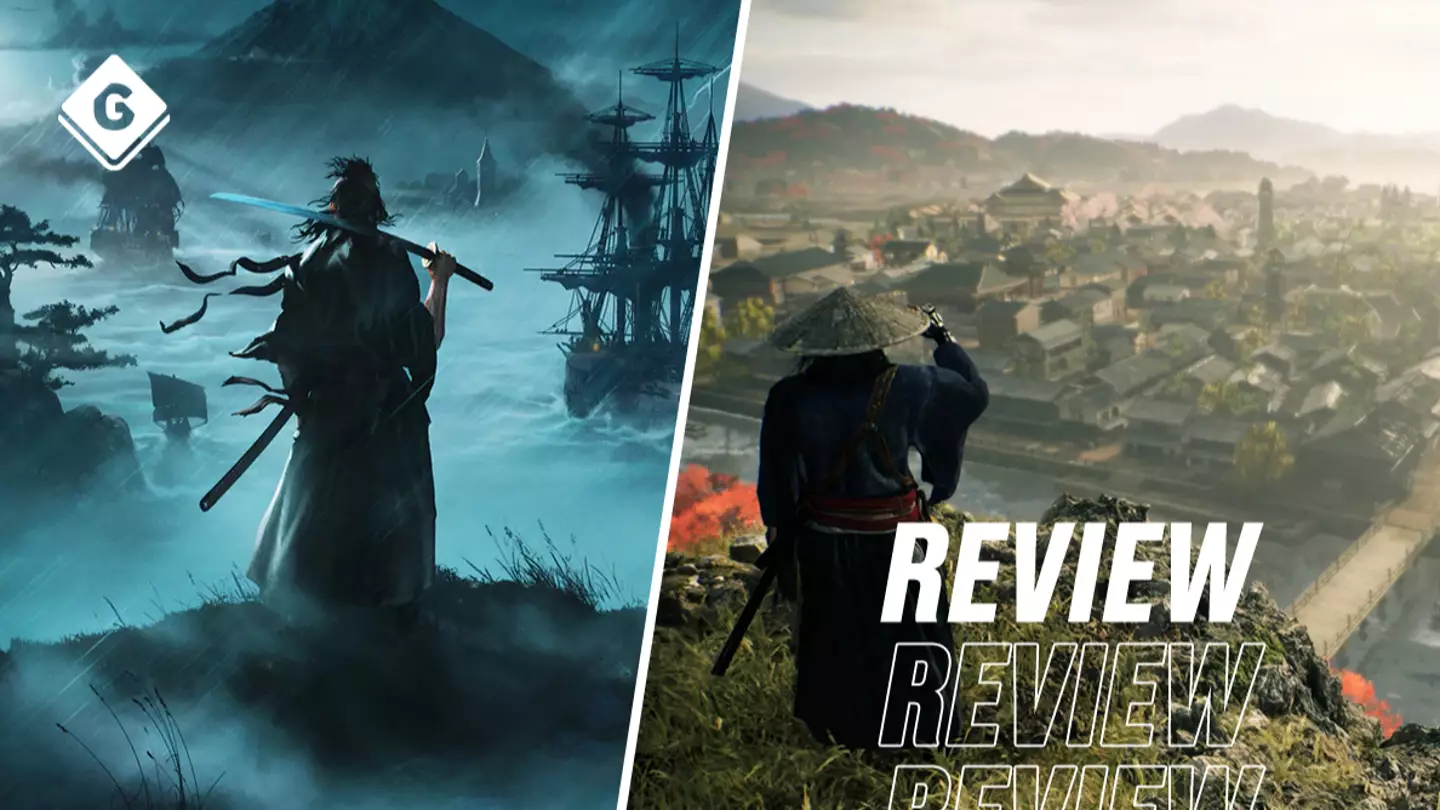
That being said,Rise of the Ronindoesn’t make itself an overtly easy game to gel with. Its storytelling is unconventional, whilst the brutal introduction to its combat perhaps doesn’t reflect the fact that it’s actually both accessible and enjoyable once you’re into the throes of the game. It was far more of a tough sell than I was anticipating, but there is a really wonderful experience to be had here.
Rise of the Ronintakes us to the year 1863. After three centuries of oppressive rule, Japan’s Tokugawa shogunate is on the brink of collapse. With the so-called Black Ships of the West descending upon Japan’s shores, it’s clear that change is in the air with the country slowly falling into a period of turbulence and tension. As the player, you assume the role of a lone Ronin, a nameless warrior seeking to reunite with their Blade Twin.
Advert
Advert
Along the way, you’ll encounter both those who support the shogunate and those who oppose it. Before long, it’s time to pick a side. The fate of Japan rests in your hands.
Take a look atRise of the Roninin action below.
Rise of the Ronin’s narrative took a long time to win me over. I noted in my preview that the game had, at that point, not made it clear where it was heading beyond the fact that I was seeking out my lost Blade Twin. That sense of uncertainty stayed with me for quite some time. Given thatRise of the Roninis based on real historical events, it doesn’t play out as a purely fictional narrative might.
Advert
Advert
There are no cheap plot twists or cliffhangers to build tension here. It’s the events of the period known as Bakumatsu, marking the final decade of the Edo era, that lead the narrative and if history has taught us anything, it’s that revolution begins with a single spark.
The first chapter centres around meeting supporters on both sides of the shogunate dilemma, with the player helping to assist in somewhat small favours that support their respective cause. At the time, this all felt rather trivial and it wasn’t clear to me what my purpose in the overall narrative was. In retrospect though, I can appreciate the fact that this chapter offered me the chance to get to grips with Japan’s political landscape and its key players.
The problem is that when the prologue has instilled in you that your main goal is to find your Blade Twin, it then feels a tad jarring to have that goal thrown out of the window to assist in a variety of small-scale political skirmishes. Hindsight is a wonderful thing, but it shouldn’t be relied on too heavily.
Sony Interactive Entertainment
Advert
Advert
Clarity began to emerge inRise of the Ronin’s second chapter. After choosing to adopt an anti-shogunate stance, I was able to start developing a deeper sense of familiarity with my allies. Seemingly meaningless errands evolved into mid-scale revolts and recon missions, culminating in larger battles in the game’s third and final chapter.
As I said, it’s easy now having finished the game to look back with a sense of understanding for its pacing but it would be remiss not to issue the warning that you’re in for a somewhat slow start. I will add that I’m curious to see how events unfold differently should I adopt a pro-shogunate stance, so there’s most definitely replayability here.
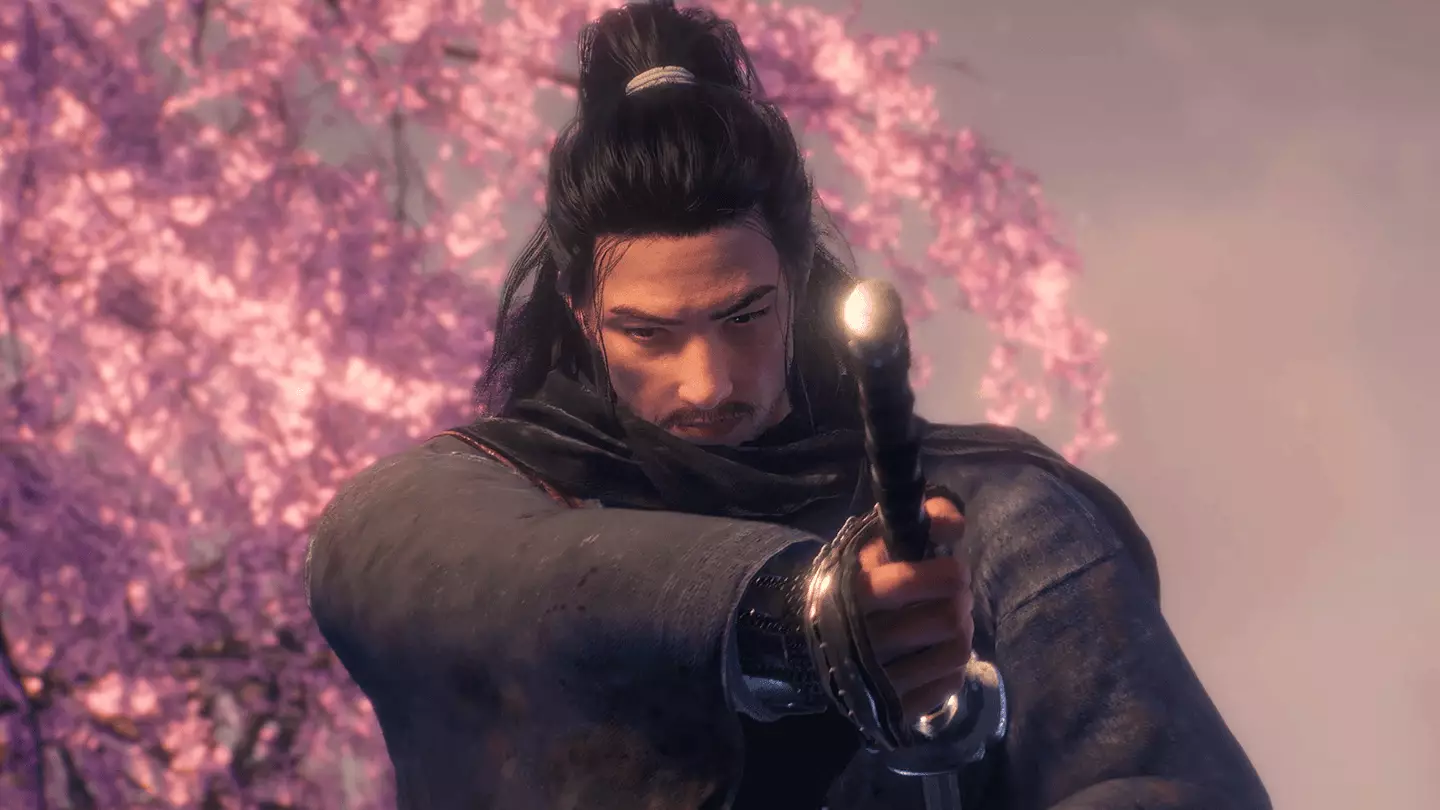
If the game didn’t inform me of the strengthening of the bonds with my allies, you’d never know some of those bonds would classify as “friendly” or “inseparable” - the protagonist silently staring in every scene. It meant that oftentimes, I felt like a wallflower amidst this revolution rather than a key part of it.
Advert
Advert
Sony Interactive Entertainment
That’s not to say thatRise of the Ronindoesn’t offer up a figure to emotionally invest in, it’s just not our protagonist. Thankfully, the game is packed with a stellar and varied array of entertaining allies, with Ryoma Sakamoto and Kogoro Katsura being my personal favourites.
Given the fact that players can pick to support one of two factions, I can understand why developers had to take the ‘insert yourself’ approach and yet I still find myself wishing for a version of this game where we starred as the endlessly charismatic Ryoma, a move that could’ve ascended the overall experience to another level. With his pistol prowess, zany personality, and indisputable depth, Ryoma is easily the character I expect most players will invest their emotions in.
If you’re sitting there thinking, ‘But what about the lost Blade Twin?’, it often felt like that’s what developers thought too. That particular narrative thread does come back into play every now and then, but it’s a flimsy part of the story that felt like it was added purely to help ground our nameless avatar within these adapted historical events.
Advert
Advert
Despite firmly labelling itself as an action RPG, there has been some confusion online as to whetherRise of the Roninis a soulslike and on that front, I’d say not. The game’s introduction to its combat is most definitely both brutal and challenging but as you gain access to the wider breadth ofRise of the Ronin’s combat system, it becomes far more accessible with its wide selection of weapons suiting all play styles - and, of course, there are difficulty options ranging from the easiest ‘Dusk’ to the hardest ‘Midnight’.
Sony Interactive Entertainment
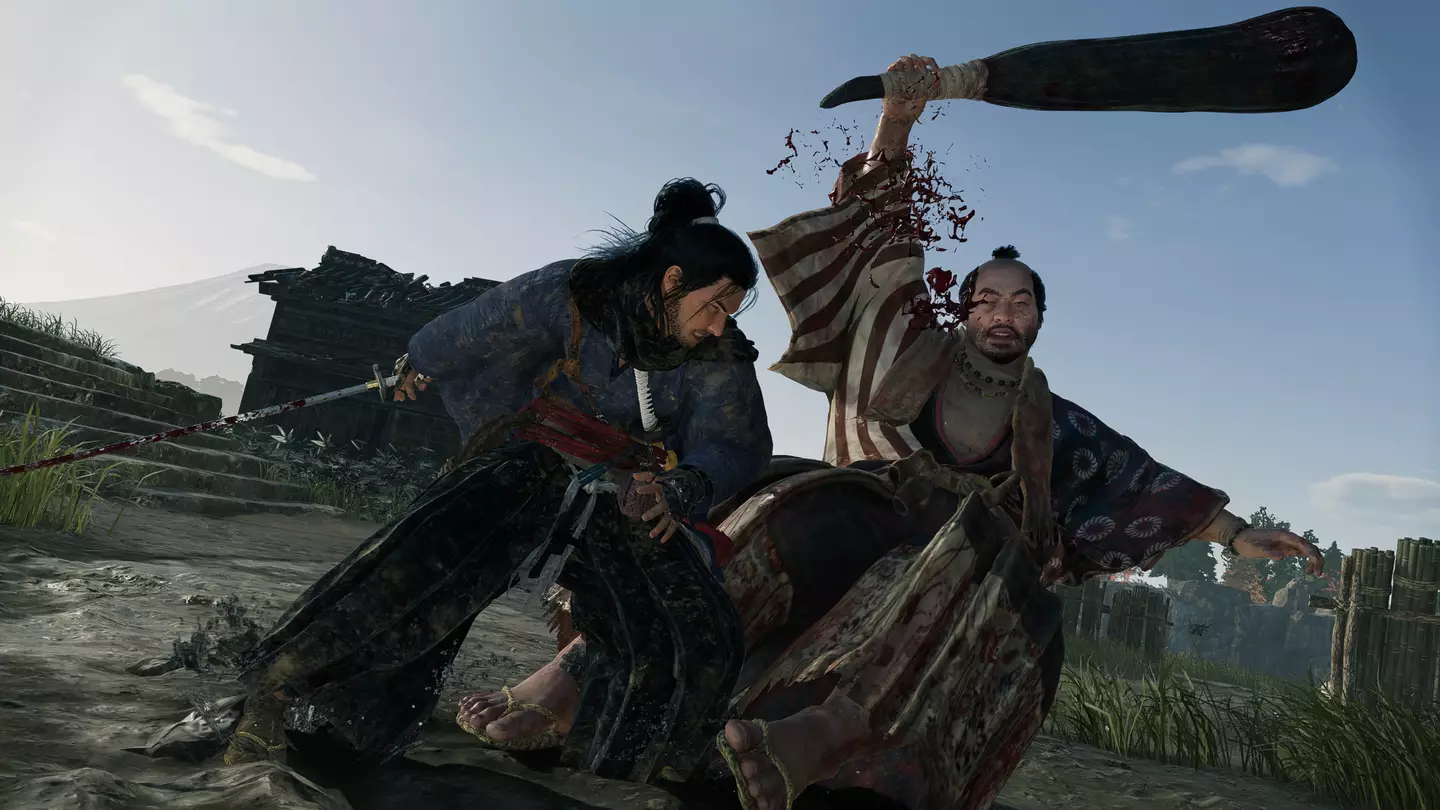
In my preview, I highlighted my concern regarding the game’s parry mechanic, known as a Counterspark, which was presented as a crucial move if you wanted to lessen your opponent’s protective Ki to deal some real damage. The timing of the parry felt inconsistent and nigh impossible to predict and while I still find it’s a move with a low success rate, it’s fickleness didn’t prove to be as much of an issue as I originally feared.
During the prologue, you’ll wield just two simple bladed weapons making a Counterspark one of the very few tricks in your arsenal. Later on though, you’ll also have rifles, pistols, bows, improved blades, healing items, and weapon status effects at your disposal making it far easier to lessen your foe’s Ki without solely relying on parrying.
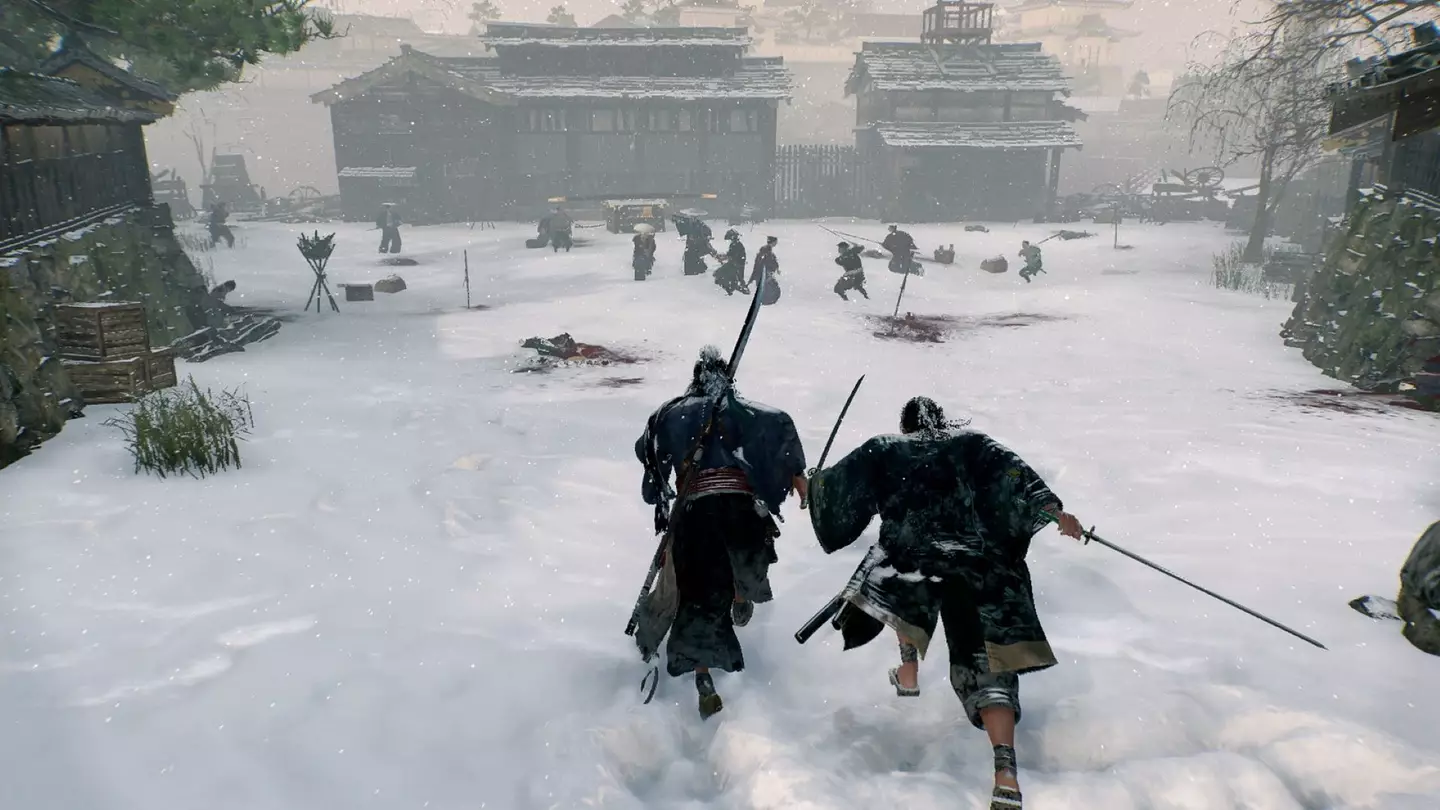
I had great fun withRise of the Ronin’s combat - a conclusion I didn’t think I’d come to after those challenging opening few hours. Before long, I found a play style that I could adopt with relative ease and fluidity. When dealing with public order disputes, essentially bandit camps, I’d equip my bow in order to take a stealthier approach whilst during main missions, I preferred the close-quarters chaos I could cause knocking back my enemies with a pistol before charging in with a spear to land a deadly blow.
The more you wield a particular bladed weapon, the more your “expertise” with it will grow. Improved expertise equates to learning a wider variety of combat stances. You’ll need to switch between these often with combat stances ranked as either less effective, neutral, or more effective based on the weapon your foe is wielding. That means that it’s going to be better to master a couple of bladed weapons, learning as many stances as possible, than it is to be a jack of all trades with very little expertise in any one particular field. I stuck to the katana and spear for that very reason, finding a flow that carried me nicely through the game.
Sony Interactive Entertainment
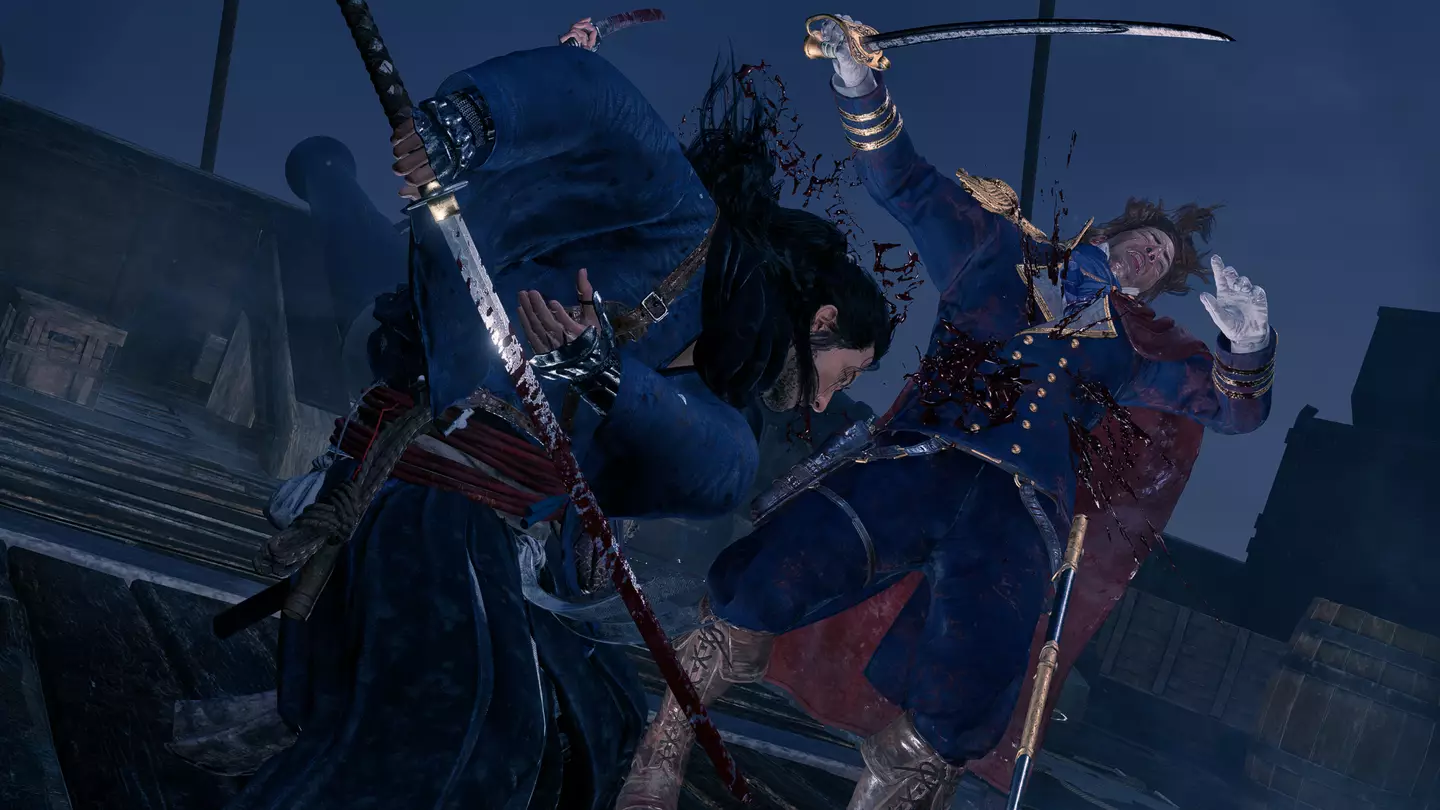
Rise of the Ronindoesn’t feature the widest variety of enemy types. Some wield swords, others carry rifles. There are a few larger brutes thrown in, and a couple of Dark Souls-esque gangly fellas armed with what I can only describe as Wolverine claws. Instead of encountering ‘new’ enemy types as you progress, you’ll instead come up against higher levelled versions of what came before. These tougher foes have the ability to switch weapons, stances, and use weapon status effects against you - a challenge I enjoyed tackling.
Missions aren’t exactly the most varied either, but that’s not a huge drawback. You’ll team up with one to two allies of your choosing, depending on the mission, or friends via co-op and work through a series of mini skirmishes culminating in a boss fight. It’s a repetitive format and yet I didn’t find myself tiring of it simply because I gelled with the combat so well.
That doesn’t mean I was void of a yearning for more. When I reached the game’s most climactic missions, meant to emulate larger battles and sieges, I experienced some minor disappointment. Enemies seemed to group together into cohorts of no more than four or five, with great swathes of open land before I’d reach the next batch. I wanted true and utter chaos - a test of all that I had learnt. I didn’t linger on the disappointment for too long given thatRise of the Roninalmost always has a boss fight or ‘Formidable Foe’, a type of mini boss, waiting around the corner. It certainly would’ve been nice to see Team NINJA take more of a risk though during that final chapter.
Sony Interactive Entertainment
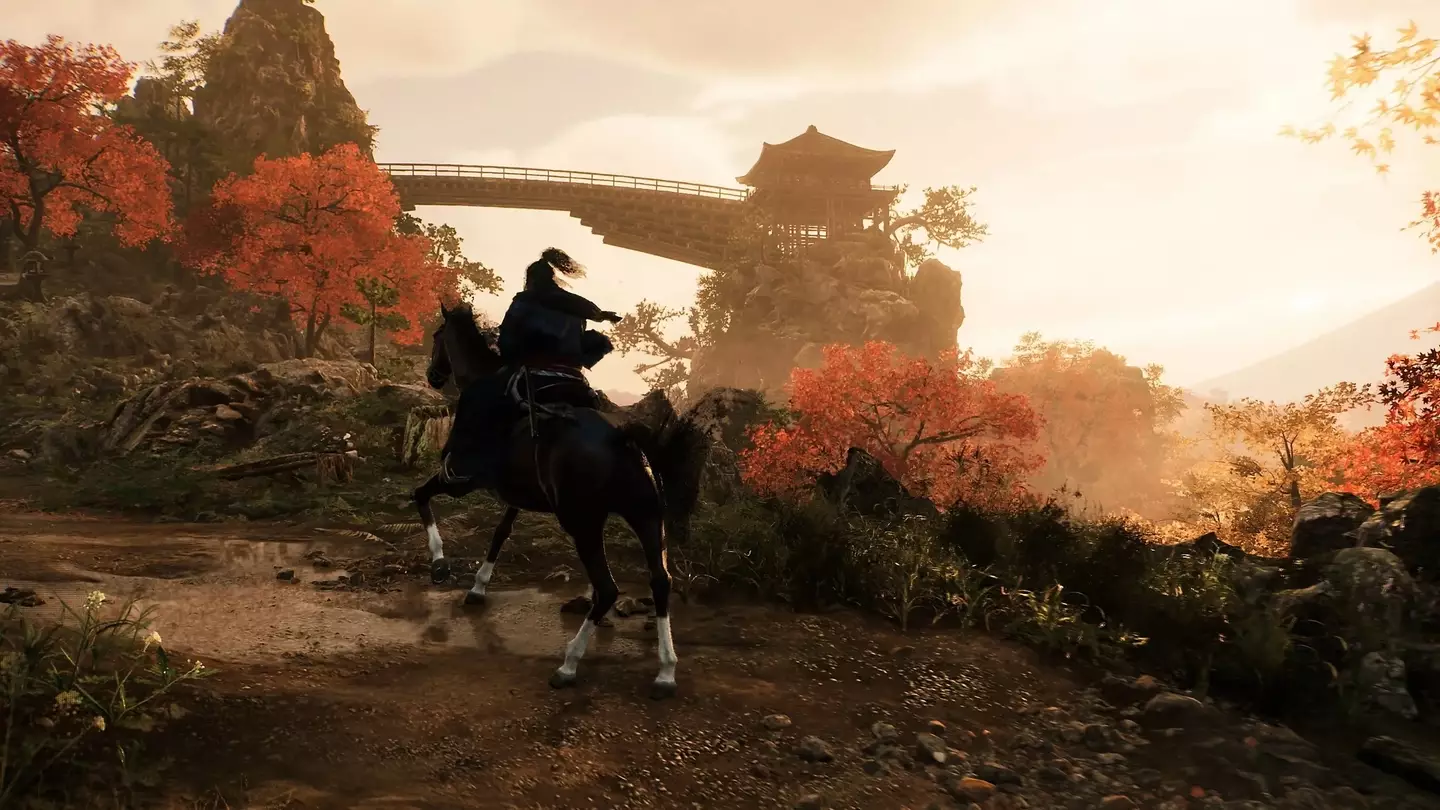
The ability to switch out companions for friends or fellow online players via co-op is a nice touch although I have to say, I’m not sure I’d be willing to give up the benefits that come with fighting alongside an ally. You can instantly switch from the protagonist to your allies during battle plus, of course, fighting alongside them deepens your bond which, no offence to my friends, feels far more fulfilling and beneficial than co-op play.
It would be nice if you could pick an ally companion to join you as you generally explore the open world, tackling its side activities, but unfortunately this is limited purely to main missions. On occasion during the aforementioned public order disputes, you may free a hostage who will temporarily join you in battle. That help is something I very much cherished during some tough late-game disputes with the Shinsengumi.
This leads me nicely on to the game’s open world which isn’t as open as you might think.Rise of the Roninconsists of three chapters, each with its own map. Chapter One takes place in Yokohama, Chapter Two in Edo, and Chapter Three in Kyoto (although this chapter does eventually take you back to Edo too). It’s worth pointing out to prospective players that once you leave a map and proceed to the next territory, you cannot instantly switch back so make sure you complete any additional side missions or ally quests in that area before moving on.
You’ll eventually be able to navigate back to previous maps using a book known as the Testament of The Soul but when you do, you revisit the map at the point in time from which you left it. The book essentially allows you to retry missions and rewrite history if things didn’t pan out as you’d hoped. Certain side/ally missions will lock unless you revert back to that time period so I’d wholly recommend that you take your time in the first place, and fully exhaust all there is to do within each of the three open world hubs before proceeding.
Sony Interactive Entertainment
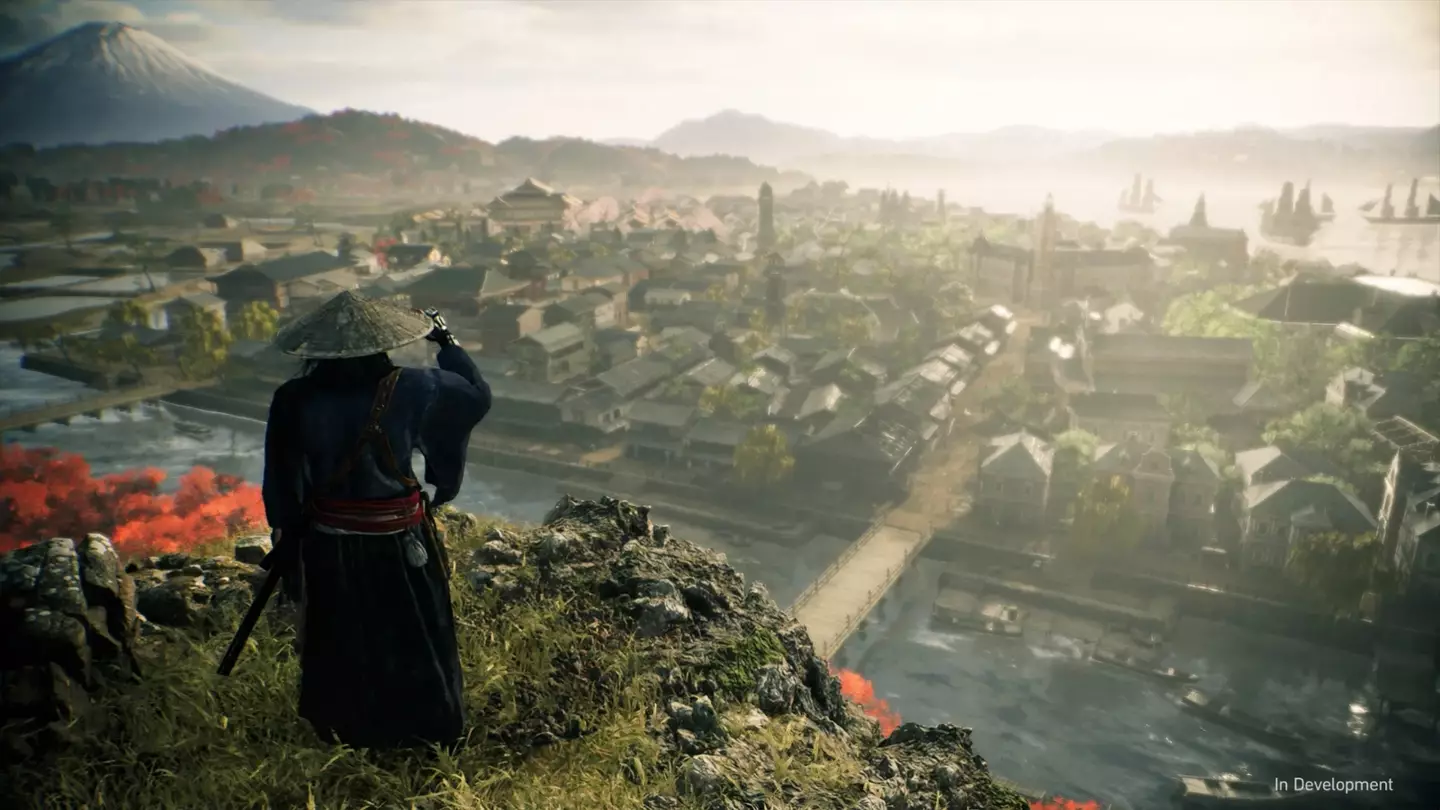
As for what you can do in these open hubs, I’ve mentioned the public order disputes. These deepen your ‘bond’ with that territory and the deeper your bond, the more points of interest you can view on the map including shrines. Pray at a shrine and you’ll gain an extra skill point. There are also several ally missions which are crucial if you want to improve your relationships.
The other open world activities felt somewhat redundant to me unfortunately. You can hunt and battle fugitives, acquire a tally of cats you’ve petted, and take on photo-taking quests. All of these activities result in the gaining of tokens which you can use to redeem goods but the goods on offer didn’t really vary from what I could pick up from regular vendors.Rise of the Ronin’s armour vendors and blacksmiths felt similarly pointless given that I acquired high-level legendary gear simply via progression and looting my enemies, all of which I could upgrade via travelling merchants who appear near save points during story missions.
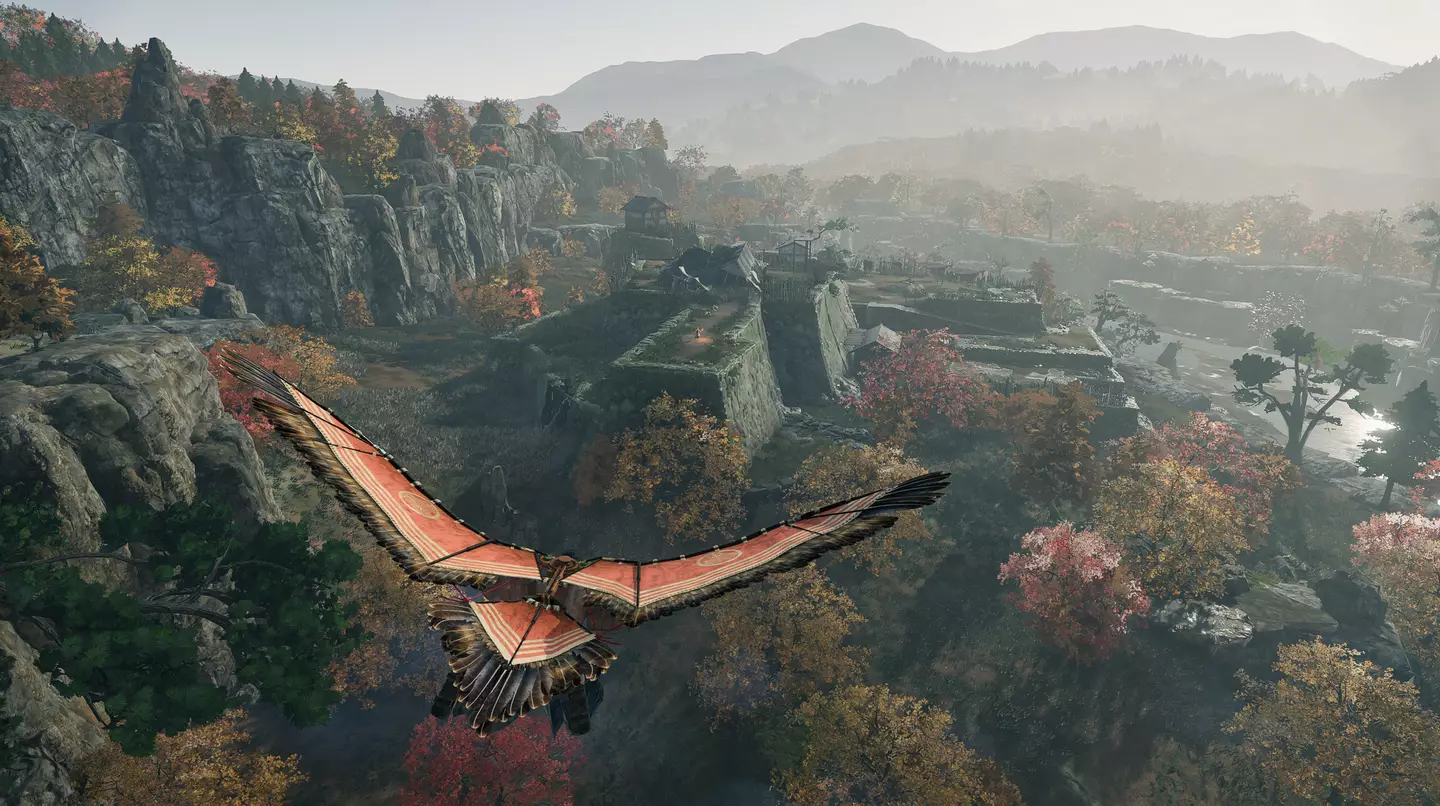
Thus far,Rise of the Ronin’s trailers have placed a great emphasis on its traversal methods, with our protagonist equipped with both a grappling hook and glider. Both function nicely, helping you tackle combat encounters with a tad more variety, particularly if you like to take a stealthy approach like me, skulking across the rooftops or dropping on an enemy from above. Outside of combat though, I do wish the open world had allowed me to utilise these tools more. Whilst I could run along the rooftops of various towns or use my glider to traverse down from a hilltop, the map’s terrain felt largely more suited to standard horseback travel.
I do appreciate some of the handy little hacks that devs implemented though to stopRise of the Roninfromever feeling like a grind. You can fast travel between Veil Banners, set your horse to automatically navigate to a chosen destination, automatically disassemble low-tiered items for parts, and you don’t need to rewatch cutscenes should you die during a fight. These things may go unnoticed but they allow for a far more seamless experience. I’ll also add that whilst graphically,Rise of the Roninisn’t the sharpest nor glossiest game we’ve ever seen, I can hardly fault its stability. My experience was bug-free outside of some minor object clipping.
Sony Interactive Entertainment
Rise of the Roninhas some incredibly enjoyable peaks but so too does it feature some annoying pitfalls - making for an experience that may be jarring in comparison to other perfectly polished PlayStation exclusives. It’s as educational as it is entertaining with both a story and combat system that may prove slow to gel with. When you do click with what’s on offer though,Rise of the Roninbecomes equal parts compelling and moreish.
Pros:wide selection of weapons to suit all playstyles, strong array of choosable allies, varying narrative dependant on choice
Cons:uninteresting protagonist, slow burner, open world could have stronger points of interest
For fans of:Ghost of Tsushima, Sekiro: Shadows Die Twice, Assassin’s Creed
8/10: Excellent
Topics:PlayStation,PlayStation 5,Sony
