Everytime I replayThe Last of Us Part II, I come away with something new, whether that be a fresh question, thought, or perspective. It’s why I adore this narrative. It’s a tale that is so emotionally complex that you cannot fully comprehend all of the layers in just one playthrough. With filming now underway on the second season of HBO’sThe Last of Us, this time around, I found my mind drifting to aspects of the story I’d like to see expanded as the show undertakes the difficult task of adaptingPart II.
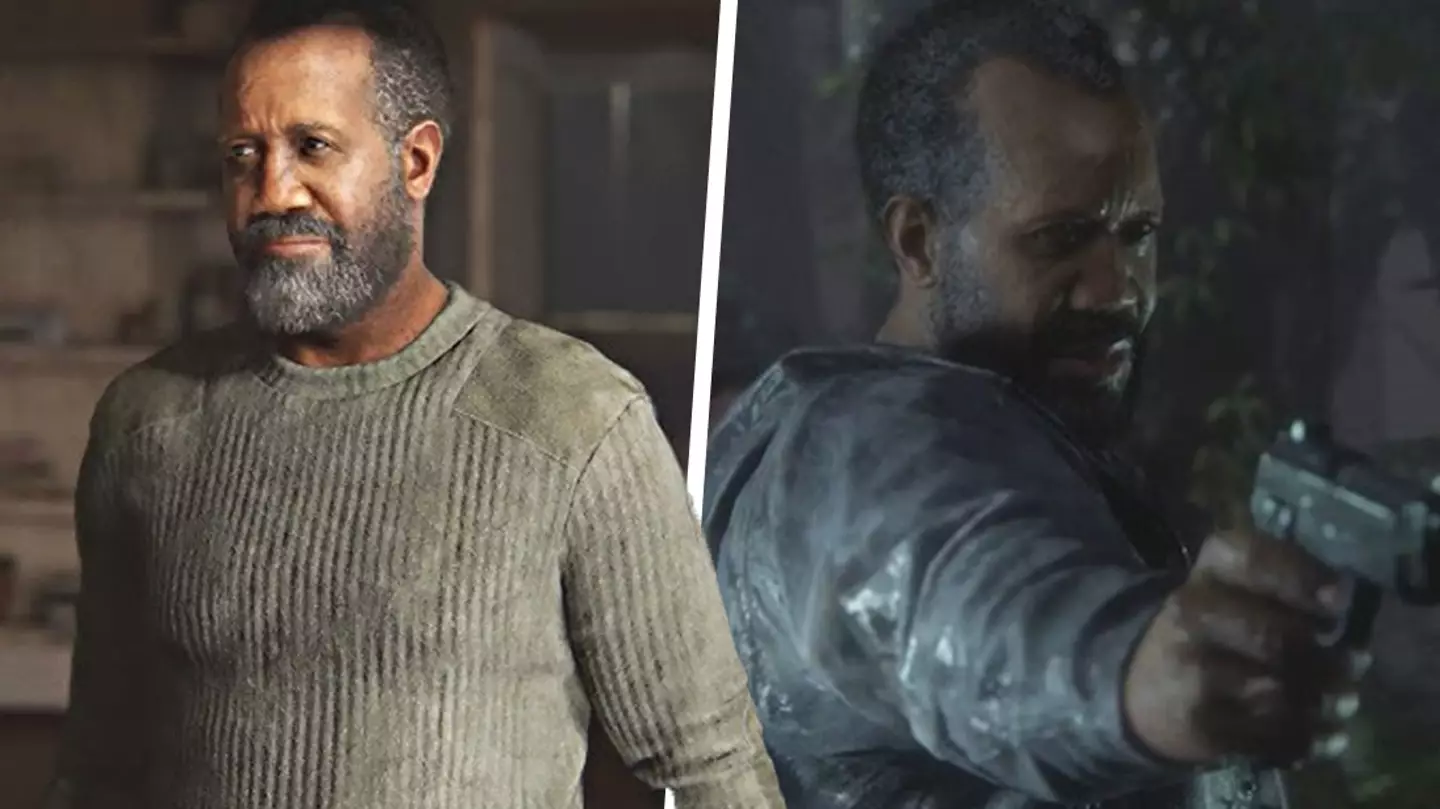
For quite some time now, I’ve been hoping to see the announcement that Jeffrey Wright will reprise the role of Isaac. While it remains unconfirmed, the actor did tease, “Anything is possible We shall see,” providing a spark of hope. For me, Isaac has always been one ofPart II’s most perplexing characters. He occupies so little screen time, and the scenes he is in are hardly the game’s most grisly or brutal - and yet, I’ve always found him to be incredibly chilling.
The Last of UsPart IIdepicts a primal and lawless society. Almost every single character we encounter maims and kills, including those we might consider to be our ‘heroes’ - although, of course, it isn’t quite as black and white as that. How is it then that someone who crops up in just a handful of scenes is simultaneously the game’s most unsettling character?
Advert
Advert
Watch our review ofThe Last of Us Part II Remasteredbelow.
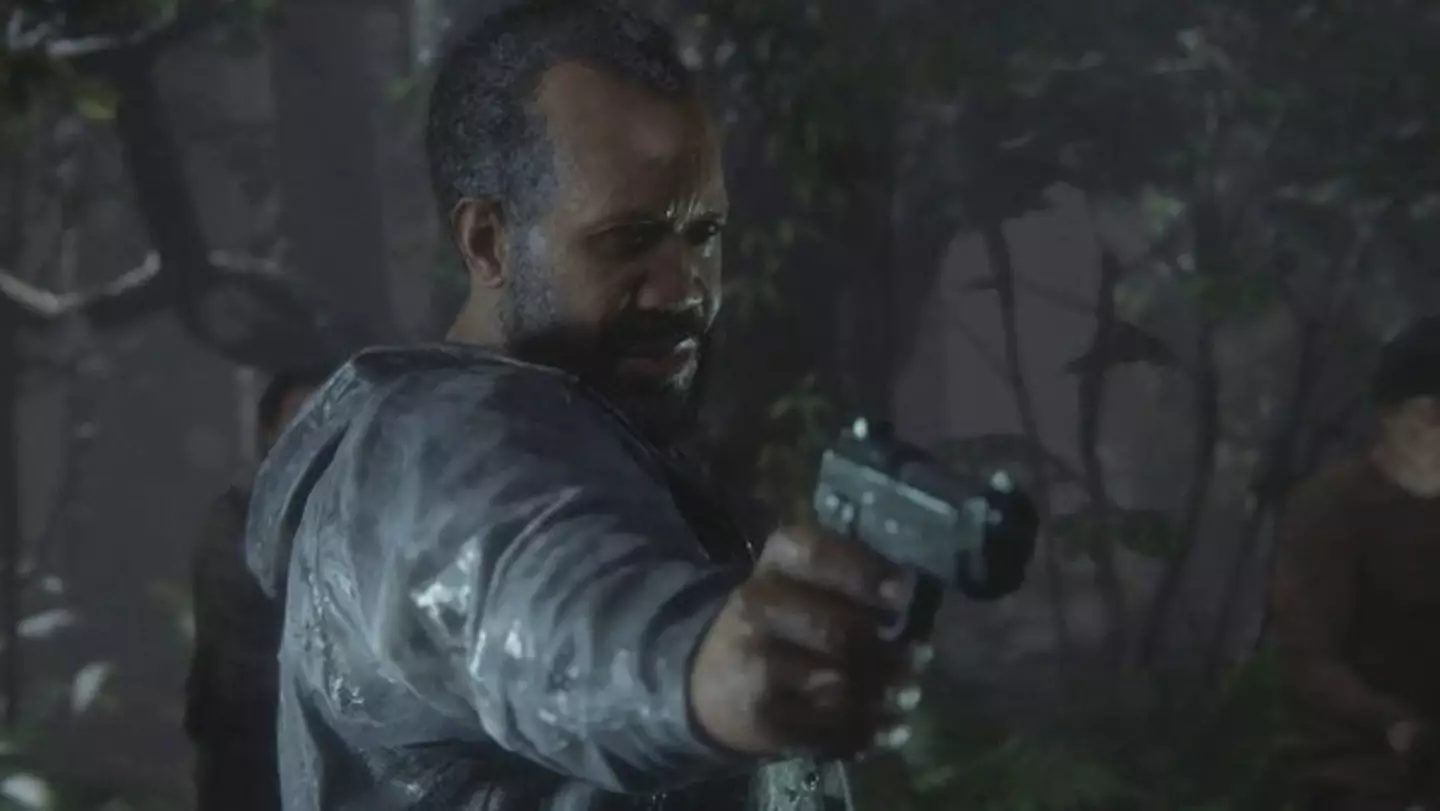
Isaac Dixon is, if you recall, the mysterious leader of the Washington Liberation Front. I say mysterious simply because he appears in just two sequences - and yet I don’t think anyone would take issue with me referring to Isaac as a villain. The jarring yet effective thing about Isaac is that in a game that’s so detailed and layered, this particular character’s villainy is quietly conveyed via implicative hints scattered throughout the story, evidencing that allusion can oftentimes prove to be far more frightening than laying all your cards on the table.
That’s not to say that everything about his character is conveyed in a totally subtle manner. After all, the first time that we meet him, he’s sitting opposite a naked Seraphite tied to a chair in a dilapidated bathroom. It doesn’t take a genius to figure out that we’re interrupting an interrogation that screams ‘evil’.
Advert
Advert
Sony Interactive Entertainment

Advert
Advert
Sony Interactive Entertainment
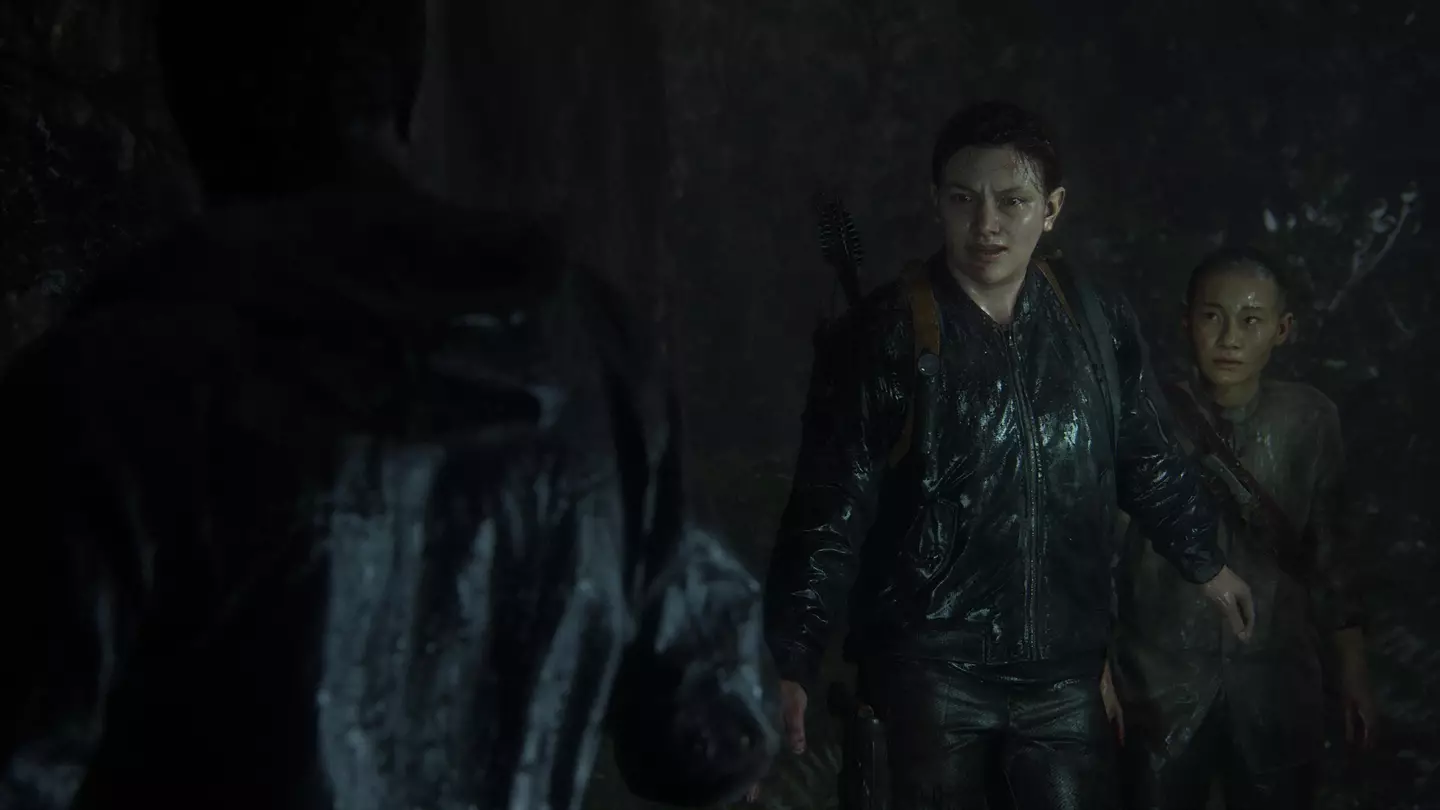
That becomes even more abundantly clear if you then start paying attention to the documents scattered across Seattle inThe Last of Us Part II. While I won’t rehash the full history of the WLF, I’ll draw your attention to the fact that Isaac gave all inhabitants of Seattle one choice: join or face execution. If you were in doubt as to how the WLF maintained order before, you’re certainly less so after reading this paper trail. Unwavering loyalty at the price of death.
Advert
Advert
It’s not morally right. We can’t excuse it. In some cases, we might feel revulsion. Yet in almost every character we meet, there is a pursuit of both the preservation of a sense of community and survival which, for the most part, wecanunderstand. After analysing all of the jigsaw pieces scattered throughout the game about Isaac though, it quickly becomes clear that this character doesn’t fit that mould.
Sony Interactive Entertainment
Advert
Advert
The Last of Us Part IIchallenges us with the question: What makes the action of one aggressor worse than another? It’s clear that we need to look to Isaac to find that answer. This is a primal devolved society, but one that - for many - very much still revolves around notions of community and loyalty. When you take that yearning of community away, any sense of empathy and shared ambition is lost.
Topics:The Last Of Us,The Last Of Us Part 2,Opinion,Naughty Dog,PlayStation,PlayStation 4,PlayStation 5
