I probably sound quite jaded, and I am. It feels like not one week has passed in 2024 when I haven’t had to read articles about hundreds of developers losing their job while a CEO raked in millions in yearly bonuses.
Advert
Advert
Microsoft Gaming
So, why is this happening? Well, if you follow the sources around the internet, it seems to be a twofold problem. Firstly, games boomed massively during the Covid pandemic and publishers and developers pushed to hire more staff to meet demand, not knowing when the boom would end. Of course, once the pandemic began to somewhat subside and people found normality, gaming consumption went back to pre-pandemic levels. This left publishers and developers with more staff than they knew what to do with.
Advert
Advert
Secondly, greed, and overestimating the audience. I’ve written a fair amountabout trend chasing, but companies wanting to jump onto the latest genre or game mechanic is old hat. What causes a lot of problems currently is hiring an abundance of staff or buying up companies thinking that there’s enough space in the market, without reading the audience. Or pushing for ever-increasing revenue rather than being satisfied with turning a steady and consistent profit.
There’s only so much time in the world for us to play games, and there’s only so much money to be spent. Publishers are constantly asking us to part with our cash at every opportunity and while this would be fine ten years ago, when you paid for a game once and perhaps spent on some DLC, nowadays, it’s relentless, with new features being drip-fed, and the audience can’t stretch that far.
Epic Games
This then leads to companies laying off employees because they can’t keep up with competitors or couldn’t find space in the market for their game. Having everyone think there’s little security left in an industry that’s supposedly growing. Can developers still take risks knowing that they’re watching as other studios shut their doors after attempting to buck a trend, or join one.
Advert
Advert
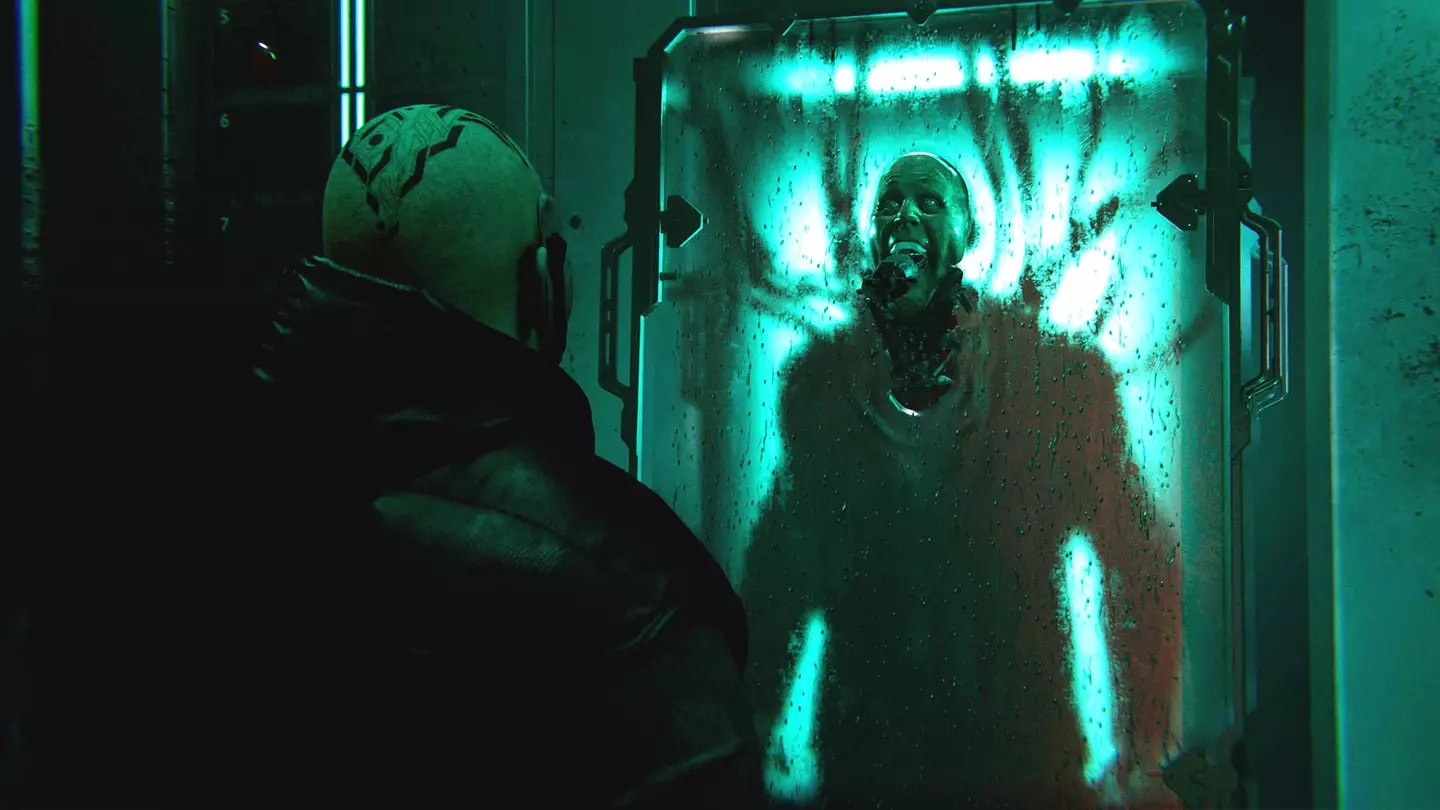
We spoke with Steven Masters, Design Director at Raccoon Logic, who is currently working onRevenge of the Savage Planet. While we were previewing the game, we got to talking about the current gaming landscape, bringing up that lack of stability. Masters replied, “In this last couple of years, it’s been brutal out there, right? You have a moment where you’re thinking, okay, are we on the right track? Are we doing the right thing? Are we secure? Are we safe? That kind of thing.”
This comes from a studio who is capitalising on a game in a franchise that was received well and that reviewed warmly across the board. They should have confidence, no? But Masters knows that you can’t be complacent in games and that you’ve always got to think about the team making it, knowing that you’re guiding them in the right direction.
“It’s much easier to get through when you have a high degree of trust with the leadership. It’s a lot easier to make a decision or just say to somebody else, ‘hey, I trust you to make that decision’, you know,” says Masters. He continues, “Establishing new IP is insanely difficult to build.”
While on this particular press trip, we also spoke with Simon Viklund, co-founder of 10 Chambers, currently working onDen of Wolves. His sentiments echoed that of Masters as he discussed the gambles and risks of creating games in the industry today - “Having founded a company, there’s a there’s a responsibility to make something now and run the company in a way that just, you know, puts the food on a lot of people’s tables […] for about 100 people and their families.”
Advert
Advert
10 Chambers
Of course, Viklund is a co-founder of a company, he’s had to make difficult decisions previously, and we wanted to know his perspective on having to downsize a team, “We’ve had reorganisations in the company, and we’ve had to let people go. We’re not, like, power hungry, that’s not what we’re about, you know?” explains Viklund, who continues, “So it hurts. I’m not pretending to be the victim, obviously, but it’s not fun for us either.”
For companies that don’t rival the likes of Tencent, Activision, Microsoft, Sony, the balance is difficult to get right. You need to focus on creating something you love, while staying true to your vision, guiding a team, ensuring they’re looked after, all while making money to keep the doors open and push on with another game.
“It’s hard making games, bringing people in, these talented people, and getting something out the door - to make a game together. It’s a huge challenge on a creative level, but also on that organisational [level],” remarked Viklund.
Advert
Advert
Steven Masters, before his time at Raccoon Logic, spent some years in the AAA space. He describes a unique environment when it came to his bosses hiring for a project. “I used to work in AAA; Ubisoft and EA. There was a sense that, money was never something that the creatives should think about, right? And if you were in the last year of development and a bunch of stuff was unfinished, you just hired or got in another 500 people from around the studios and the cavalry would come and deliver a ton of assets for you.”
Raccoon Logic Studios
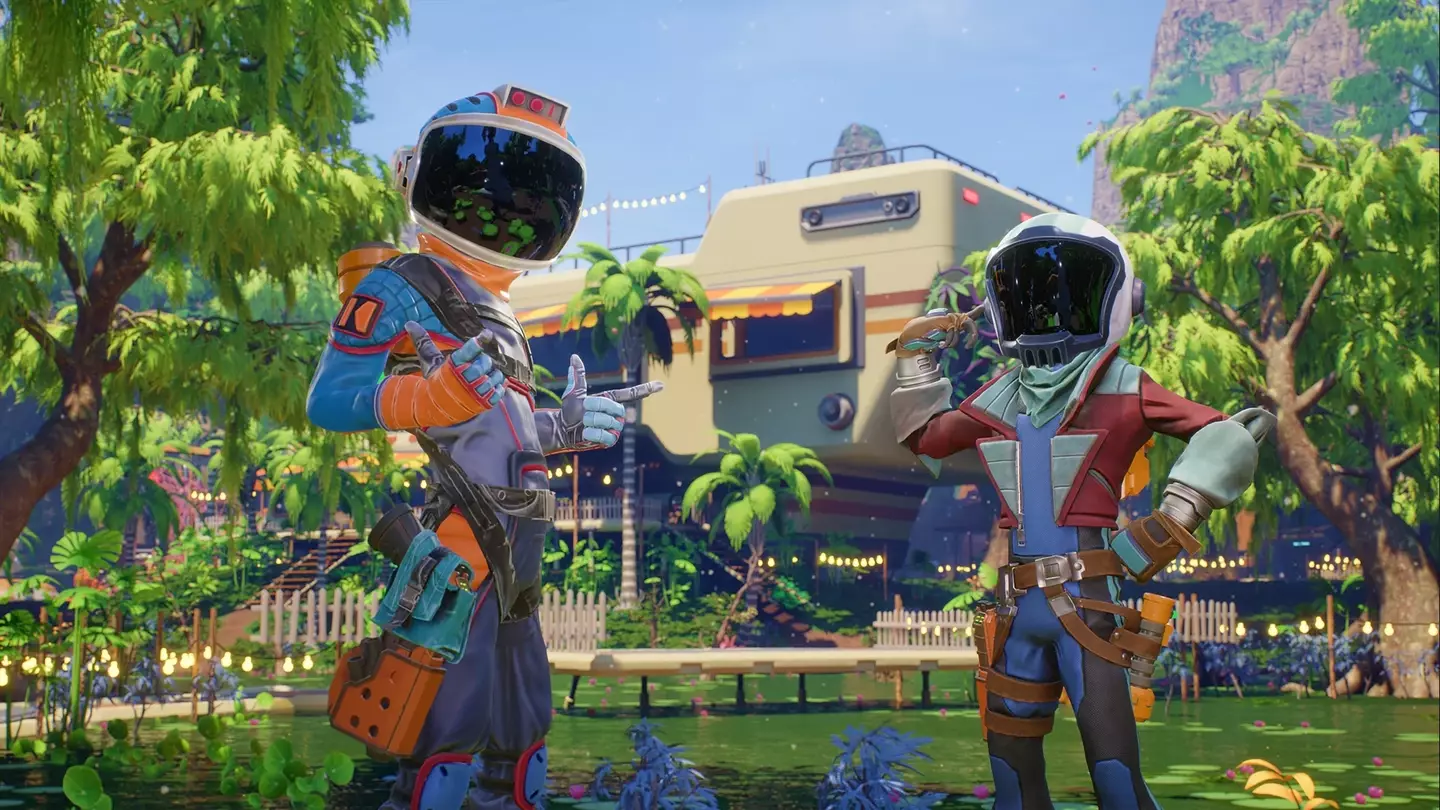
This of course creates a temporary situation for those hired to help out a game, leaving them with no job once the game ships. I can’t speak to every company, or even the ones Masters is referring to, but you get the sense that creators are used to fix a leaky ship in order for it to sail, but once the repairs are done, they’re no longer needed. And while, again, I don’t want to point fingers or tar every company with the same brush, the sudden increase in companies pursuing A.I. only devalues creatives in the space even more.
He believes that with this attitude, a certain pragmatism comes into your thinking, and he sees it across development. Masters continues, describing what he sees across AAA gaming, “Among the biggest risks you need to take are setting up a new studio, setting up a new team, setting up the new IP. And they spin up their studios thinking, like, Okay, we’re gonna hire 200 people and, you know, make this enormous new IP.” That’s a huge risk for anyone, even with billions of dollars behind you. It’s a risk that keeps happening, and yes sometimes it pays off, but more often than not it can’t be sustained.
Is there an answer? No, not really. In an industry that, above all others bar maybe film, that is constantly shifting boundaries and striving for the next big thing, or the next technological breakthrough, projects are only becoming more of a gamble. Or, CEOs and shareholders are pulling the plug because the game isn’t the nextFortnite, the next Call of Duty, the nextBaldur’s Gate 3.
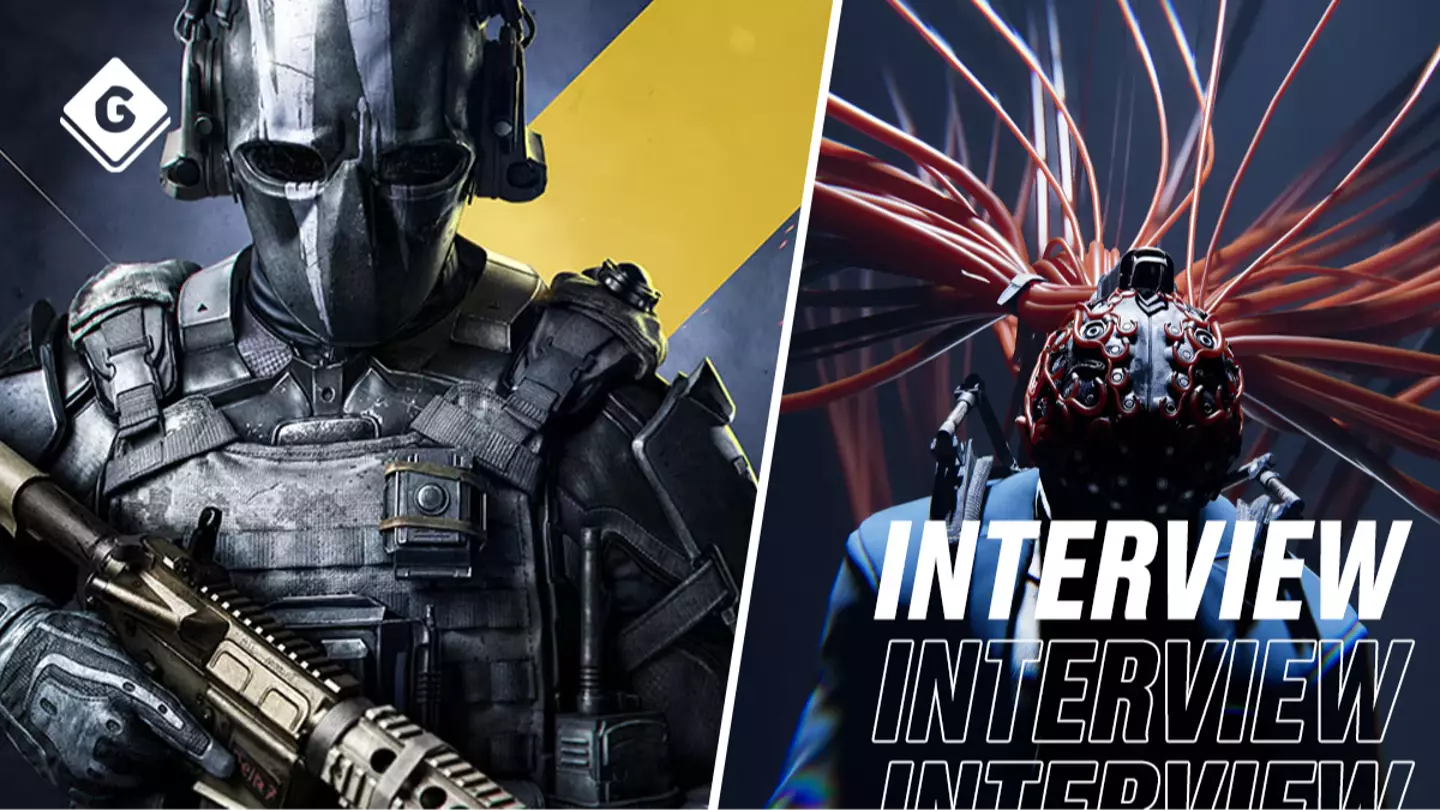
Let’s look atXDefiant, the most recent AAA game that is having its head severed on the chopping block. The game released from Ubisoft on 21 May 2024, and it brought together a bunch of Ubisoft’s well known IP in a first-person shooter. It released to middling reception, however, as a live-service game it was set to grow with evolving updates.
In mid-October, Mark Rubin, executive producer onXDefiantsaid on Twitter, “I’ve literally been in meetings as of last week to discuss our Year 2 plans. But, right now, we are super focused on improving the technical experience (which includes netcode) and adding more content for Seasons 3 and 4.”
Ubisoft
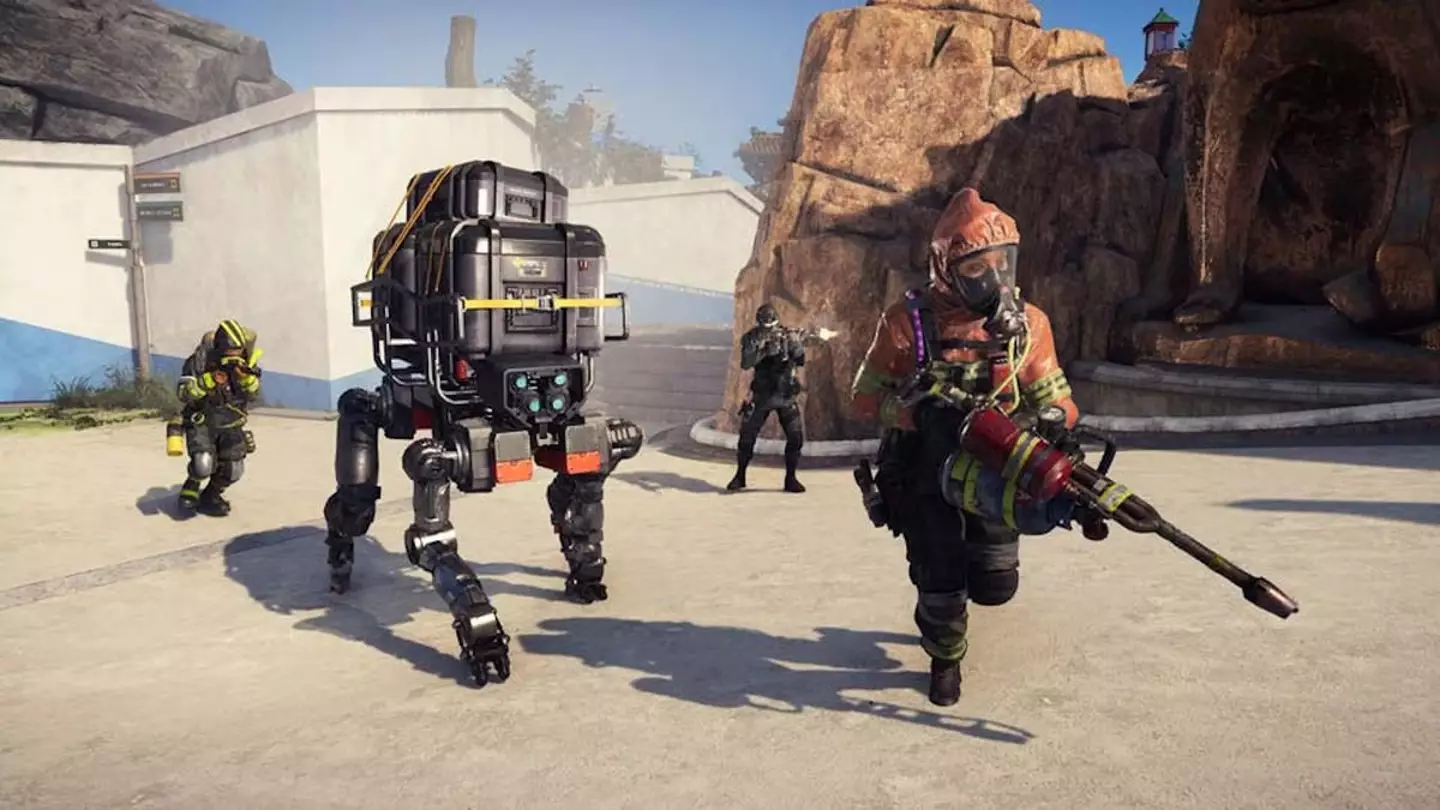
Not even two months later, it was announced the game was being sunset in June 2025, withUbisoft laying off 277 employees. The game wasn’t even given a year to succeed. Rubin didn’t comment this time, it was instead Marie-Sophie de Waubert who said, “We’ve not been able to attract and retain enough players in the long run to compete at the level we aim for in the very demanding free-to-play FPS market. […] The game is too far away from reaching the results required to enable further significant investment.”
And that, as they say, was that. Over 250 people out of a job. Added onto the tens of thousands already scrambling for employment and opportunities to create. Where did Ubisoft go wrong? One could argue that the company should have seen that the “demanding free-to-play FPS market” was too crowded and didn’t need another live-service game. Though, to play devil’s advocate, the game was announced in July 2021, and likely started production a year or two before that, and as much as I’d deride heads of departments, they’re not psychic or clairvoyant, they believed the audience would adopt yet another live-service game that requires us to slave for content and engagement.
We return to Steve Masters and our conversation to explore how this could be managed, going forward. How can this be avoided as we move into 2025? It’s a year stacked with releases and one very big title that will bring multiple millions of eyes to video games, whenGTA VIreleases. How can developers and publishers avoid the constant loss in an industry set to earn record revenue?
Activision
Calling back on his time at other studios, Masters recalls, “There were times when if we didn’t hit our milestone, we weren’t going to get paid, you know.” He believes that brings in a different pragmatism. One that helps you see the smaller picture. One that helps you keep an eye on the staff, the creators, those operating as the foundations of the studio.
He doesn’t want to forget those people, even as they all strive to ship a game that requires hundreds of different people, from all walks of life, coming together to achieve one vision, or one goal. “We take a very responsible point of view about how to execute this game,” says Masters. “Anytime I see a shutdown, I feel bad for the people involved, right? And quite often, a lot of them are not in a position to have any influence over the fate of their project. Yeah, that’s super tough, like people with families and kids and houses to pay for and stuff like this,” he continues.
I don’t know what the answer is, but then I’m not paid millions of dollars to know. Gaming is about risk versus reward at every level of development. Whether you’re entering into competition with Call of Duty or creating an indie game about anxiety and depression. This is an industry where you can experience anything you want as an interactive medium, and that takes courage, skill, and chance. I don’t want to see companies stop taking risks, but I’d like to see smaller risks. Ones that don’t play to the ideas of shareholders who only want to see the numbers go up month on month, and instead play to the ideas of the creatives who have a story to tell.
It doesn’t take billions of dollars to do that. Sure, there’s a place for it, but I’d like to see investment in smaller projects, more unique ideas, nurturing both games and teams once the project is out the door. If you’re going to gamble with millions, and the livelihoods of your creatives, then either have some bloody faith in your game, or if you have to end support, take those workers in and give them a new home with a blank canvas for new ideas. Just please, don’t let 2025 end up like this year.
Topics:Call Of Duty,Fortnite,Indie Games,Xbox,PlayStation,Ubisoft
